Commitment #2

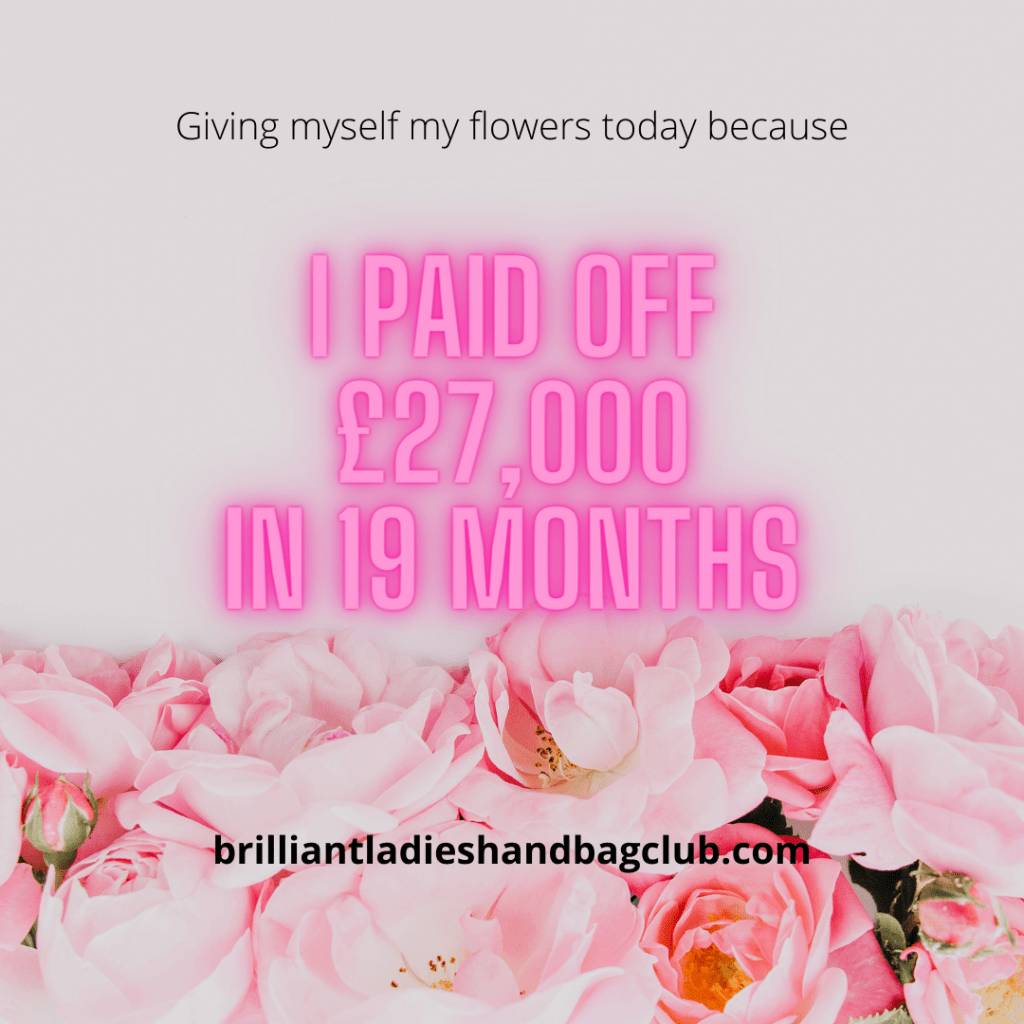
Last week I posted on my Insta about paying off £27,000 in 19 months and I wanted to talk about it in a bit more detail here and how it relates to my thinking on commitment.
Generally I don’t carry debt. I appreciate there are a number of schools of thought on this one, especially about ‘good debt‘, credit card benefits and so on but for me it always comes back to the kinds of risk I am willing to take (TL:DR – not many, usually based on complex zombie apolocalypse scenarios where I can’t look after my kids).

But when I was buying a house last year it turned out that I couldn’t bridge the gap between my deposit and the mortgage. I had 10% as a down payment but needed more to be able to access the financing. I had already scrimped hard to get the downpayment together and, with fees and costs associated with moving, just couldn’t make the rest in the right time frame without leaving myself with no emergency fund at all. So I took a bridging loan, just as a personal loan from my regular bank.

I figured that adding it as a risk to the overall house buying approach should work. Photo by Ingrid Martinussen on Unsplash

But in taking out that loan I made a commitment to pay it off as quickly as possible. The total to repay including interest over the original 60 months was £29,349 for a £25,000 loan. This felt like more interest than I was willing to pay, and was definitely a spur to get it out of the way. My original monthly payments were £500 per month, and with this rate I paid back £1,400 on average every month.

And now, aside from mortgages, I am debt free again. And it feels like a huge weight off my shoulders.

One dictionary definition of commitment is an engagement or obligation that restricts freedom of action. For me, having this loan restricted my actions in other areas, which was interesting since I already thought I was quite frugal:

  • This is the big one – no holidays. I value travel and connection with my kids and our worldwide family but I cut it out for this period other than going to visit my sick father. Everything else felt like it could wait. So one month in Kenya long planned for this summer got cancelled and that money paid off the last £5,000. Interestingly planning this trip also raised issues of commitment about how others were showing up (or not) for me, which made the decision to cancel a lot easier.
  • A ‘squeeze tax’ on most of my other spending. Basically this meant reducing groceries and other discretionary spend by about 10%. It also showed me what the space is in my budget, though I am aware I don’t live that close to the knife edge anyway. I added in two additional meals a week to be prepared on a Sunday meaning I could use up odds and ends, use the slow cooker, and generally remove the temptation to nip out and spend more money on food as the week headed to Friday. Ditto with packing lunches for the office. And clothes – I spent around £120 on clothes in this total period for all three of us.
  • Cancelled all subscriptions. All but one. I used to regularly check I wasn’t being charged for things I didn’t want, but here I cut out everything I didn’t actively value.
  • Got energy from freaking out. I have been writing about the cost of living crisis which we are all freaking out about, whether a little or a lot. I made the decision to take the loan when I could easily manage the monthly payment, and looking down the barrel of rising prices everywhere, made me really conscious that I needed to tighten down my commitments.
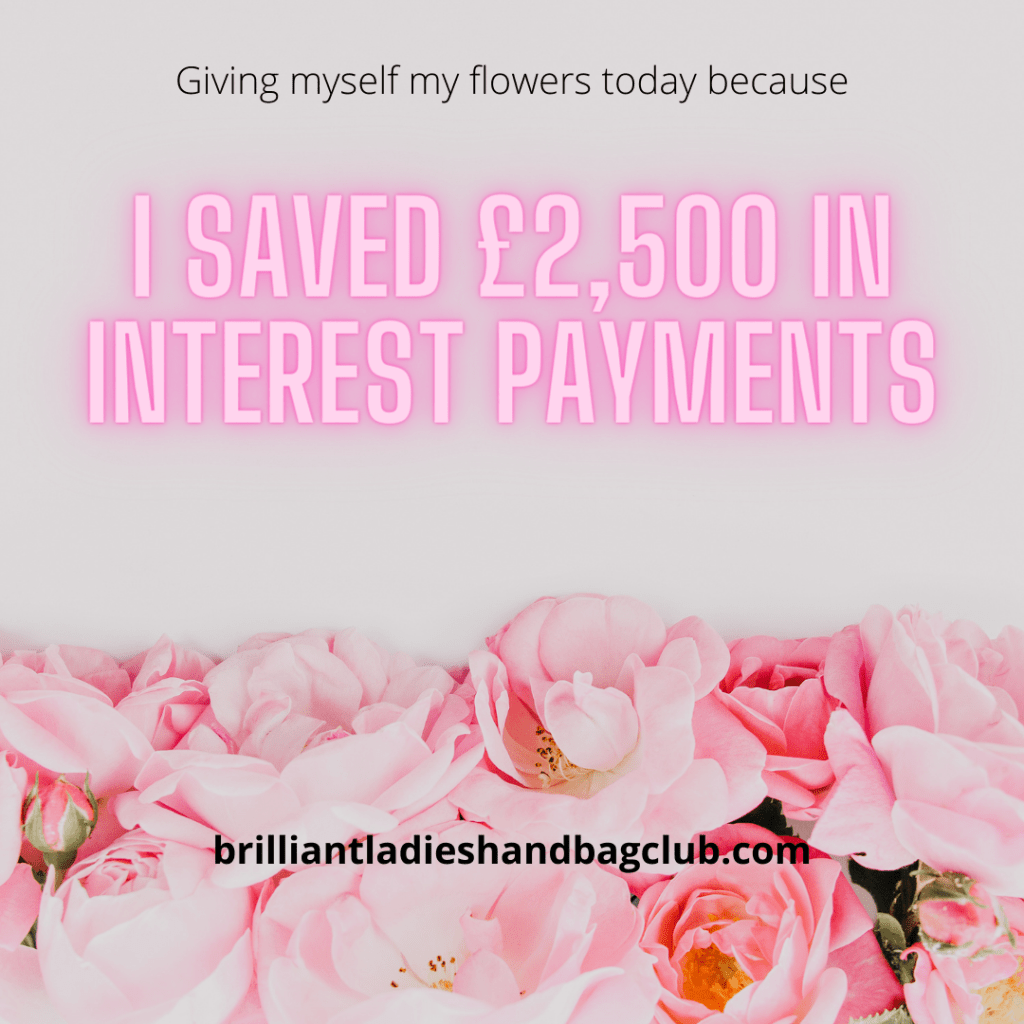
The take away for me was that through commitment all things are possible. This isn’t going to be true if you are already living close to the breadline, but for many of us on the FIRE journey, our ability to squeeze more out of our budgets depends on where we are trying to go. I have never quite managed to find the same drive for investing and saving as I found for paying off this debt which is showing me some interesting tactics and opportunities to get better (or clearer) at getting inspired in those other areas.

So I feel pretty proud of this. Being able to commit to something, and see it through with very minimal support, really keeps me confident of my ability to chart this path, however much it changes along the way. So stay committed. Stay focused. Sometimes restricting freedom of action can feel limiting, but remember that you have a bigger goal in mind.

Walk with integrity: but where you going?

This week I have been thinking about a bunch of things: how we know who to trust, and what happens when we’re wrong; how much trust we put into people we follow online and the extent to which they are actually selling us something; and the impact all of this has on being able to follow our own journey with integrity.

I fear these internal conversations are also turning me into a bit of an asshole. I especially hate being sold to. One of my reasons for getting involved in the FIRE movement is because taking control of your money is an act of radical subversion and radical self care. Deciding what you want out of life; what you will spend and how that will impact your community / planet / sense of joy; what role you will play outside of being a Worker Bee: all these are closely linked to your finances, and are absolutely the liberation pathway to living your life on your own damn terms.

There seems to have been a lot of slippage in the FIRE movement toward focusing back on personal finance in a more standard way. This is necessary to a certain extent: getting all existential is not the only thing you need if you are waking up in a cold sweat about your inability to service your debts. But sharing tools isn’t the only thing we are here for. Realistically, and I can say this as someone who consumes a fair amount of media on personal finance, social or otherwise, the tools and tips on personal finance are not complicated. It is the job of assessing them, working out what is right for you, and putting them into play which is hard. And for me, I could only put them into play once the existentialist piece was clear in my heart.

Remeber than not choosing your own path means you are implicit in whatever is swirling around you. Photo by Corey Young on Unsplash

A net result of this move back into the more standard world of personal finance is that I feel increasingly like I am being sold to by my peers. This isn’t to say that FIRE should exclusively be filled with people who have the time and resources to give away their advice for free, especially as this would mean only people who reach financial independence and then have that time – and who are disproportionately white, male and married, at least those who talk about it online – would share their stories. But I personally am not interested in buying an online course about real estate in the USA, or downloading a workbook which turns out to be ‘the world’s most basic questions ever.pdf’, or buying a product based on your ability to get commission on it.

It is more than that though. We have always been sold dreams, but these are usually other people’s. Surrounding yourself with these dreams, whether they are in the name of financial independence or in the name of being the kind of rich, flashy person who can buy up the bar, risks that you will drown out what you really want. The advertising industry is based on creating desires that can never be fulfilled: this year’s new iPhone that you might be lusting after will be out of date in a few months. Lifestyle envy leads to excessive consumption and waste, which is also leading to envirionmental degredation. We are trashing the planet for shit that doesn’t matter at all: for shit we probably don’t even want or get satisfaction from.

I am seeing a lot more of this combination in recent times. There is a Kenyan lifestyle and personal finance blogger who I have always liked (and is a friend of a friend, this Nairobi of ours has no chill). But I just can’t follow her anymore. There is the dual approach of selling through her personal brand, which is basically ‘you should strive to be pretty, well-dressed, and well made up, as I am – or you will not be interesting or taken seriously‘. The second approach is basically product placement, including MCing courses for other people, or pushing financial products. But there is literally no content. We are just invited to be voyeurs, buy what she recommends, and strive to be more like her. To be clear this is totally standard for an influencer so I am not singling her out, but it’s surprising to me (in ways it probably shouldn’t be) that so much of what was a vibrant and radical personal finance space is now full of this kind of approach.

Realistically, I am 42. It might literally be that I am too old for this shit, and whatever I strive for I am not going to be a hot girl. Probably I don’t fully appreciate the IG generation and therefore have no business getting all up in my feelings. Either way, honestly I am not eye-rollingly negative about people forging their path and doing well through hard work and passion, especially when they are clearly meeting a need with their audience. But I am concerned that we will find all we have left is our ability to be sold to, whether by the big companies or by our friends. And what it means when all this white noise is so loud that it drowns out our own truths.

Own your truth and say it out loud – even if it’s not the same as everyone else’s. Photo by Brett Jordan on Unsplash

What this means for me is being more thoughtful about who I surround myself with, in real life and in terms of what I consume media-wise. It’s ok to not want what you are told to want, and to give those things no time in your head. It’s ok to be aware of the impact your life and choices have on others and have that be part of how you live with integrity. It’s ok to want more: and for that wanting not to be about the kind of consumer crap that might impress the table at the bar but about forging a real life, for the long term.

And it’s ok to recognise where you are different to others, and to recognise that this doesn’t make you better or make them bad: it just makes you both individual, beautiful humans doing what you can to follow your own star.

What might you need to change to get a clearer vision? Photo by Matt Noble on Unsplash

Cost of living crisis 2: Groceries

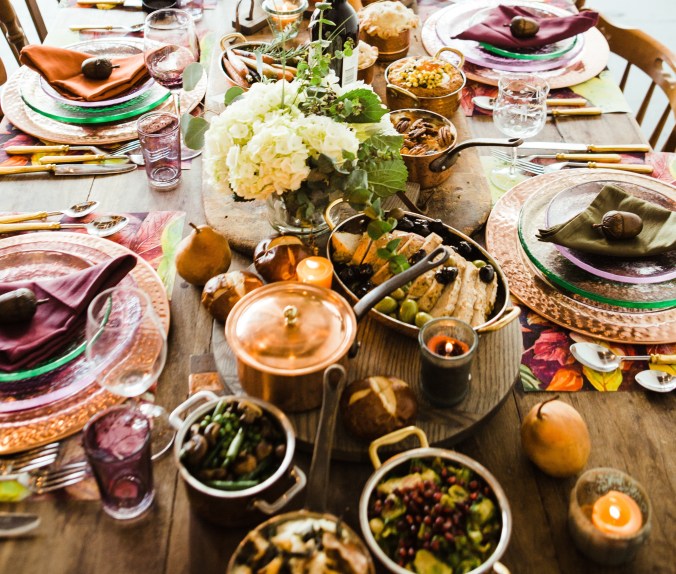
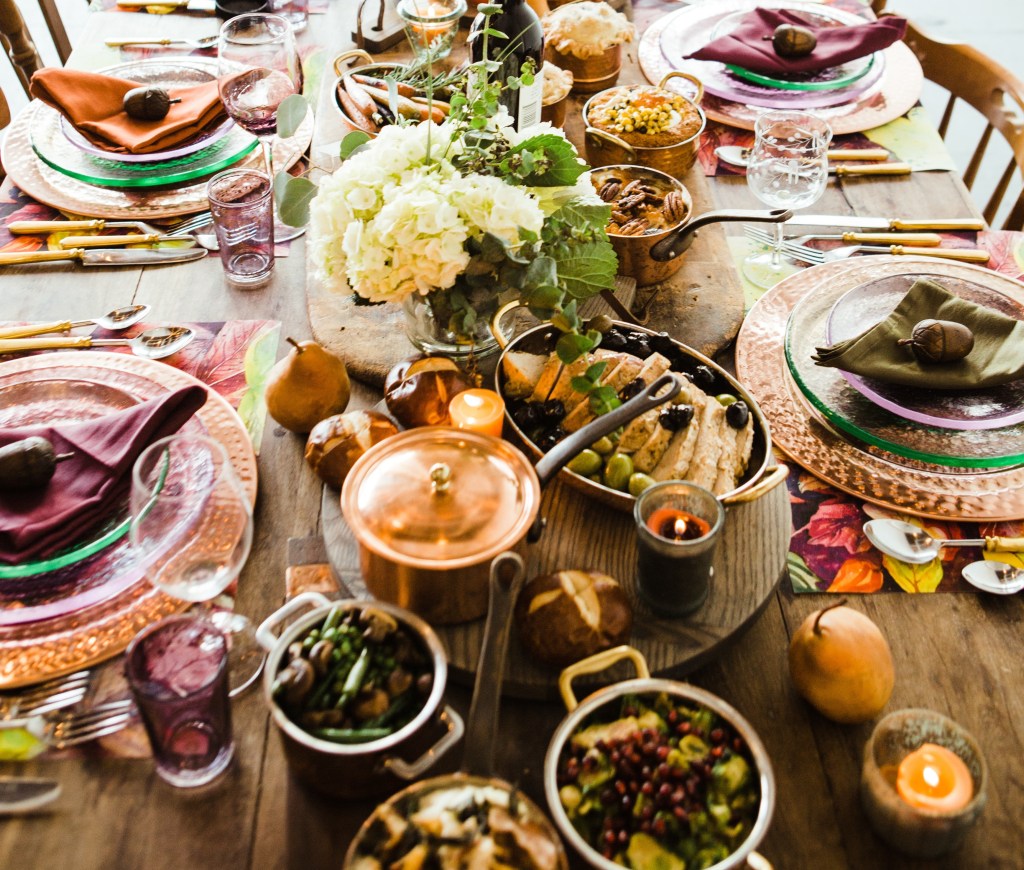
Food means a lot to me. At a basic level, it’s a key part of our every day life but it is also somewhere memories are made and locked in. From the soft comfort of my granny’s potato pie (literally mashed potato, onions and cheese baked in a pie dish with cheese on top aka best comfort food ever) to the smokey, social delights of nyama choma and the perfect mukimo accompanied by a cold beer, food is so evocative. A lot of the discussion on my Brilliant Ladies’ Insta are about frugal food and keeping costs low whilst keeping quality and enjoyment high.

Food is central to good times and bad in my culture – no difficult family conversation, lengthy future planning session, or celebration – of either life or death – would be possible without a central table of food to act as referee and peace keeper between the participants. In my own house, food is linked in my mind to love, to taking care of my children and creating a cosy, secure home with our own small traditions.

Oh yes please! Photo by Brooke Lark on Unsplash

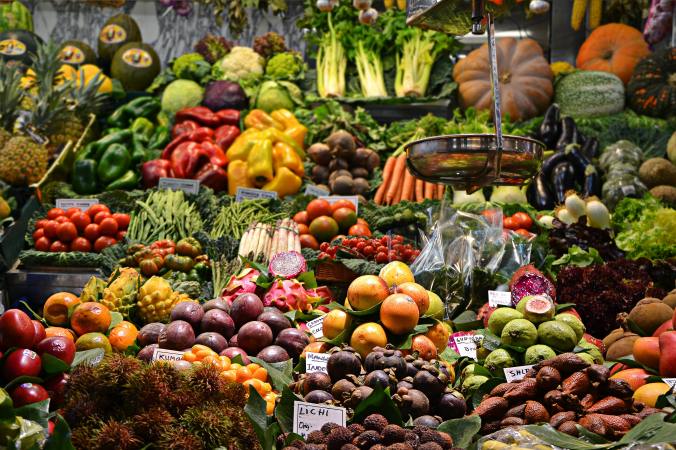
These days though there are also two less comforting sides to feeding the family. Firstly, and the focus of this post, is the soaring cost of groceries and how to manage your budget. The second is the ethical aspects of food – industrial farming methods and animal welfare issues, exploitative employment practices, and reliance on cheap imports which have a heavy environmental footprint, are all real concerns when making choices in the supermarket.

Food prices in the UK have traditionally been quite low compared to the rest of Europe, but this ‘golden era‘ came to an end during 2022. Rises in inflation and fuel prices, as well as global shortages and issues with supply chains means that food is getting more expensive. In January, poverty campaigner Jack Monroe highlighted how the way tracking rising prices are calculated glosses over the impact on lower income families. By last month, 92% of Britons claimed they were cutting back on grocery and food costs in order to reduce their outgoings: both in relation to the cost of food but also to save they money needed to respond to increases in fuel and household energy. Food price rises in the UK are shortly expected to have reached 15% within one year. Kenya has seen a similar rise, and is seeing the impact of rising fuel costs on transporting food into and around the country. So it looks like either granny’s potato pie, or that plate of nyama choma, is going to cost a lot more this year.

The modern day equivalent of heading into Tiffany. Photo by Franki Chamaki on Unsplash

So – what can you do to keep an eye on your grocery budget?

We already shop at discount supermarkets: in Denmark that means LIDL (and my mum and I talk on the phone about whether they have the same things on offer in the UK as here. Rock and roll): and Rema 1000. These are so much cheaper than the fancy supermarket, and I am also not tempted by the delicious bouji foods which are on offer there.

The building blocks of cutting food spending seem pretty easy, but, like any diet habit, it’s about how much you stick to them and whether you have emotional splurges:

  1. Meal plan. This is the most important thing, because the shopping and preparation all stems from here. Who is eating at home and when? (in 2021 this became a trick question since the answer is ‘all of you’ and ‘all the time’). What are the things you like to eat? How are you going to get your five-a-day? From then, the questions are around how you can stretch out both the food and the preparation – things like roasting a chicken then using the cold leftover meat the next day or two; or cooking a basic batch tomato sauce which can then be turned into spaghetti sauce, pizza sauce, or the base for a chilli. I have been meal planning for a while, but I am still terrible for thinking ‘ooh I don’t feel like that any more, let’s have something else’. It helps me to remember that this contributes to reducing food waste: UK households throw out the equivalent to a whole month’s worth of grocery budget every year whilst the amount of food wasted across the country could feed half the 7m Britons who are struggling to afford to eat. That’s something worth making our own small changes for in my view.
  2. Stock-take and write a shopping list: When you have meal planned, break it down into the ingredients you need for the week. Then check your cupboards/fridge/freezer and check you have what you need. Are there things you’ve not included but need to check, like coffee? I have a page up on the pinboard in the kitchen where I write staples like this, or flour, oil and so on. Write them all down in a list which is easy to use, organised by the shops if you’ll visit more than one, then by aisle if you can remember such things. The real trick though is a) remembering to take the damn list with you (which is why lots of people keep it on a phone app instead) and b) following it when confronted with other options.
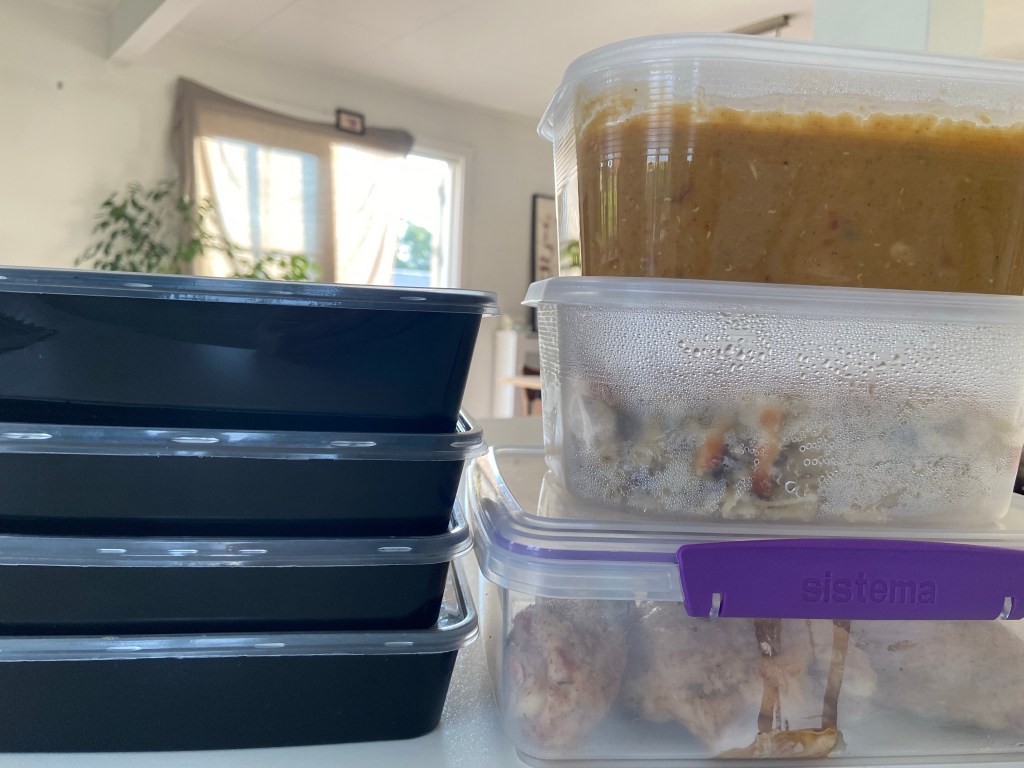
  3. Batch cook, or batch prepare: Batch cooking is now so well known that there are whole books about it but it’s basically making things in big enough quantities to freeze additional portions and basically create your own ready meals. It’s just as much hassle and time to prepare five portions of something as it is one, and it usually works out much cheaper. Every week I make a basic roasted aubergine and tomato sauce every weekend (don’t tell my daughter it has aubergine in, fur would fly) and use this as a tomato sauce base. My top tip on batch cooking is to label everything properly, otherwise Freezer Surprise will be a regular on the menu: and freeze it in portion sizes so you don’t have to defrost and potentially waste a whole load of goodness.
  4. Batch prepare: In an effort to increase my vegetable intake, I make a dry coleslaw mix (basically just the vegetables) using the food processor, every week. This week I grated up carrot, beetroot, celeriac and spring cabbage and have used it in a standard salad, in a salmon poke bowl, and with mayo as an accompaniment to a sandwich. I also do things like prepare roasted chicken for use in lunches.
  5. Enjoy yourself. Yes we’re budgeting (and trying to save the world) but food should also be a pleasure. Make things you like to eat. Find a time when the planning and shopping works, involve the kids in talking about meals they look forward to, and involve them in prep. My son and I make a cake every week as our treat for the week, usually one for home and one with the same mixture made into cake bars for school. Then I batch cook/prep in a two-hour window at the weekend when the kids are playing or with friends, and I listen to an audio book. It genuinely feels like a pleasant time, much more so than trying to slam a meal together at 17.30 on a work night. Some people prefer an evening’s cooking with a glass of wine – it’s all about what works for you.
Last week’s food prep in our house – Sunday evening and all is ready…

How is the rising cost of food impacting you? I’d love to hear your tips!

Cost of living crisis 1: Energy

Quick reminder to come and get your flowers (or a random selection of inspiration, poor jokes from me and photos taken my by daughter) on my Insta.

The soaring cost of living crisis is real. You don’t need to understand inflation, changes in base interest rates or why the stock market is having a wobble to know that your supermarket shop is costing more. Indeed, there are so many cause-and-or-effect conversations about the macro-economics of it all that at the moment I don’t care. But I do know that I just got a water bill for the equivalent of £4,000. And that’s just one of my skyrocketing utility bills which are stacking up like an angry little bomb waiting to go off.

I wanted to write a few posts looking at different aspects of what is going on and why, and how we can navigate it and stay sane and solvent. Starting this week with energy as it’s top of mind, and one area where increases are making a terrifying dent in people’s pockets.

Even the moths have flown. Photo by Towfiqu barbhuiya on Unsplash

So what can you do about your energy bills?

My focus here is for the UK though a lot of the household tips are universal. Whilst I live in Denmark, the utility market remains a total mystery. We don’t have many companies, especially since in urban areas a lot of energy is from the Kommune or local council. This means there are no switching or price comparison services. So whilst prices are going through the roof the options are a) turning everything off or b) saving money elsewhere.

In the UK, energy costs have already doubled for many households and will likely rise by October to almost £3,000. With the median income in the UK being £31,400, this means that energy only (not even all utilities) is costing households 10% of their income. Unfortunately switching deals is not likely to make any difference and is not even available to most unless you get an ‘existing customer’ deal. And watch out if you do switch since exit fees have gone up 10 times in the last year.

The idea of creating competition in the energy sector in order to benefit customers has only created a monster market where providers can do what they like. Issues in Ukraine are exacerbating fears around supply, but these price rises have been coming for a while and are only possible on the back of the ‘competitive’ set up.

Pulling money from your bank account all the way into the horizon. Photo by Matthew Henry on Unsplash

The main things you can do to save energy are things we should all be doing anyway for environmental purposes. Unfotunately some of them require an outlay at the start which might not be possible in these belt tightening days but some are pretty simple.

Big outlay changes

  • Look at your heating system. Is your boiler efficient? There are simple ways to check. Generally putting in a new boiler unless you absolutely have to isn’t going to save you anything, but when you do, shop around for the most efficient kind going.
  • Think about insulating your house more efficiently. When I was growing up my best friend had cling film across all the windows to reduce heating bills, so it doesn’t all mean huge outlays on triple glazing. There are some great tips on insulation from the Energy Trust – such as fitting a hot water tank with an insulating jacket at a cost of about £25 which will save you £35 a year in heating costs and 115kg of carbon dioxide emissions.
  • Consider generating your own electricity. This can be very expensive, and most of the government grants have ended. But with the energy crisis likely to be long term, it’s worth exploring if you have any spare cash to invest here. Solar is the obvious one for homes, with a lot to think about before you take the leap.
  • Check if your appliances are energy efficient and consider replacing them, once they are dead, with a focus on efficiency. White goods especially – fridge, freezer, washing machine, oven – are massive energy leakers.
Turn off that tumble dryer! Photo by Brina Blum on Unsplash

Day to day changes

  • Use your timer and thermostat. This is the easiest way to save money and help the environment, just having the heating on when and where you actually need it. Go through the house and turn down radiators where you don’t need them on.
  • Turn down the thermostat already. Most money saving and environmental groups recommend 68 degrees (20 celsius) in the winter. Remember how cold your grandparents’ house was? You’re aiming for a bit warmer than that. Don’t expect to be walking around in a t-shirt, instead invest in a fluffy dressing gown and socks, and pretend it’s intentional hygge.
  • Decide what you will use less. Tumble driers are particularly energy heavy: dry outside in the summer, or get a couple of clothes racks and dry inside. When I lived in a badly ventilated flat, drying clothes inside contributed to mould and meant that I had to have the heating on and the window open so I used to go to the laundrette which takes time and money in a different way. So one to think about how best to manage depending on your circumstances.
  • Turn off all standby appliances, including turning off plugs which aren’t in use. My grandparents always turned everything off at the plug at night in case of lightening – this isn’t a bad idea just in order to stop energy leakage.
  • Make sure you have a full load every time you turn on the washing machine or dish washer. Wash your clothes at 30 degrees – it really does work. Use the eco setting if you have one. The one on my dishwasher lasts 3 hours and is really noisy so I load the dishwasher during the day then put it on after breakfast when I leave for work.
  • Check out your fridge and freezer. Fridges should be set between 3-5 degrees, and freezers need defrosting regularly (this is a job on my list. Note to self – do not do this with a knife or you will regret it). Fridges actually work more efficiently when they are nearly full so add that extra milk or whatever and you will save on the energy bill.
  • If you are really struggling, there might be help: Citizens’ Advice can help out.
Protest signs in London 2022. Flickr/Gary Knight

Finally, consider the politics. My blog is about personal finance, but this is so closely linked to politics that it’s hard to keep out. There might not be simple answers, but the people who are already the most vulnerable are going to be the hardest hit and the most hurt. And that’s something we can all care about.

Don’t Panic!

TL:DR – don’t panic! Whilst I’m not the Hitchhiker’s Guide to the Galaxy, those two little words do have to give particular comfort. Especially without the exclamation mark, which suggests that panic of some kind is right around the corner. But it’s Sunday morning, and I am three coffees in and heading to a kids’ birthday party once I’ve written this, so perhaps I need the drama. But whatever you do, don’t let your panic define your actions.

This week I have been thinking a lot about doom and gloom. More than usual, in any case. I wouldn’t say that I have Eeyore tendancies but the world is a busy, scary and sometime relentless old place these days, so a bit of doom is on the agenda. From the endless heartbreaking news from Ukraine, to the real debates about what the exceptionalism shown in that situation means for the reckoning coming for the colonialist staus quo, to the ridiculous news that the UK has a monkeypox outbreak (I mean – really?): it can feel like the only time I hear the word ‘positive’ is when a friend does a COVID test.

Really don’t, even if you can’t hitchhike your way off the planet

But what is going on in the world of FIRE, of savings and investments? There have been a few things that struck me recently and I try to keep coming back to these:

This is even more true in the world of finances i.e. literally everybody’s day to day world. The soaring cost of living, shortages of fuel, eggs, potatoes or whatever is real. Every time I go to the supermarket there are empty shelves, and shelves full of things at a price that I am not willing to pay. In the UK, the price of cheese (CHEESE!) has gone up by almost one-quarter. Once the costs of Marmite and tea start to spiral out of control we will all be shafted, frankly. (Denmark is powered by licorice and pork products, neither of which we eat so I focus all my crazy-hoarder-lady issues elsewhere).

Beautiful! But can you afford any of it?? Photo by ja ma on Unsplash
  1. Plan for the worst, then remember this is what you did. My Crypto portfolio has totally crashed. In the last two weeks, more than $300 billion has been wiped off the value of Crypto overall, so this is not really a surprise. There was real panic that Coinbase was going to go bust – and take people’s money with it. Whilst that didn’t happen, Luna, a popular Crypto token, did, taking $40bn with it. My reaction has been to do absolutely nothing. I refuse to look at my portfolio other than on the twice-monthly date I always look at it. And then I refuse to act or worry about it. This is based on the fact that when I invested in Crypto, recognising that it is high risk, I did so only with what I consider to be beach money. This is money where if I lose it, it means not taking the kids to the beach in the summer, rather than meaning I can’t pay the rent. So when I freak out about losing it all in Crypto, I try and thank my previous financial planning self, and then just not worry about it.
  2. Remeber you are not a mystic. Don’t make decisions based on crystal ball gazing. The thing weighing much more on my mind is house prices and whether they will crash. And this is also one where my attachment to my net worth is at odds with a moral sense that rapid house price increases really are shafting those less well off in a way which will impact on generational wealth for a long time to come. The reason I put this one under the heading of trying to predict the future, is because a) we really don’t know and b) none of the ‘experts’ can agree. Whilst there is a general sense that the market cannot keep rising, particularly in light of inflation and changes to mortgage interest rates, there is no evidence at this point that the housing market is actually slowing down. I’ve been thinking about selling my house in the UK to diversify my assets but I need to make this decision on a range of factors – none of which is whether I can guess the future.
  3. Use this time to deep dive into your risk tolerance and decision making, rather than wanting to act. In March 2020, I panicked, and sold out a significant chunk of my investments. This was based literally on being inexperienced, and freaking out. I wrote a lot about it at the time, both the why and the results. This has definitely impacted on my holdings now but I have to chalk it up to an experience that I needed to get better at investing. It also gave me space to think about what my risk tolerance really really looks like, and how I can build that in to my investing (and my life).
Beautiful! But can you afford any of it? 😉 Photo by Travel-Cents on Unsplash

More next week on overall approaches to investing, but I wanted to start with some thinking – and reassurance – that however doom laden the picture is, panicking is definitely not the answer. Trust yourself, your knowledge, and your planning. You’ll survive the storm.

Don’t forget if you want more cakes/sunrises/Barbies and less doom, come and join me on Insta.

Baggage ≠ Peace

So I have been out for a while, trying to deal with being very close to burnout. Feeling better now, but taking that space was critical. I tend to keep pushing myself well beyond what is a good idea, then getting surprised when things start to fall apart. The last few weeks I have been thinking about this and about the sense of going through life with baggage – as a single parent but also in general, as we all do – with the results and scars of our past mistakes and misfortunes, fears and triggers.

This is showing up in my life in a few ways at the moment. From the FIRE perspective, for many people the concept of baggage means coming into this journey deep in debt. And not just in debt, but with the habits, choice and often value systems which led to that debt in the first place. For me as with others, it’s more coming in and realising what I have wasted in getting here and what kind of different position I could be in. But the worst waste of time would be to get stuck in those feelings instead of getting up and at it. Your time is always now.

I was talking to a friend last night who has recently become an expat, a move which has given him a bird’s eye view of his home town. Realising that the years of making just enough money to go out and kick it with friends meant living life, which was all about ‘having fun’ actually kept him in stasis for decades. Now this could be a cause for regret. But equally, our journeys are what made us: looking backward and sneering at our younger selves is not going to change the past, though it might diminish the value that we did find. Being able to make peace with whatever our baggage is – the poor decisions, the risks that we miscalculated, that person we continued to trust in spite of there being more red flags than the bunting at the Communist Party conference – is to make it manageable and be able to take that past along on a brand new journey.

I wrote a while ago about loving what is‘ – that sense of accepting and loving the present just as it is, something which is a critical step on the pathway to peace. The ability to reflect on my own triggers and limiting beliefs means that I can at least recognise them when they come up. Something like shaking hands across the divide. This is what making baggage manageable means to me: it’s not denying it but recognising my part in it, and the positives that either came through the results or through the journey. Kind of like taking a luggage trolley full of giant suitcases, feeding them into a magic vortex machine, and coming out with a little badge that you wear to remember without being tripped over by it. Or, as per my experience last week, you can just give your bags to Kenya Airways and never see them again. Either way, it works.

Making peace can be hard. It can also feel counter-intuitive in a world where – especially with FIRE, and at my stage of life – it’s all about striving. How is it possible to come from a place of tranquility and still have enough drive to get out there? The quote above from Eckhart Tolle speaks to this I think. So much of what we do is about rearranging circumstances, or the small things (or indeed the deckchairs on the Titanic) instead of rearranging how we look on the inside.

Don’t get me wrong, this internal rearranging can be just as tough as making peace. Encouraging the tectonic plates to shift inside you requires tenacity and strength. Especially when it raises questions about whether you will continue to accept the systems you have been brought up with, to live inside the structures you have internalised and all the comfortable spots you’re used to seeking solace in, however damaging.

As I start the long process of moving back to Nairobi, being able to focus on the inner work instead of the busy-work of administration, is critical. The organising bit is easy (actually it’s a massive pain in the ass, but meh) but the work on finding my peace is much harder. Who am I now, as opposed to when I last lived there? Who are my people, how do I feel about how I have moved compared to them and the spaces we find ourselves in? What are the values I have instilled in my myself and my own children and how will these blend or clash? How can I stay open to the great things coming whilst not being so attached to certain things working out that for them to go wrong would destroy me?

All those questions are critical but they aren’t things I need answers to right now. Coming to them with an internal stillness and certainty gives a certain protection both from the intensity of negative results and from freaking the F out. That has to be worth it.

Happy New (tax) year!

Ah here we are again. In the inexplicable British system (is it to do with an old byelaw about swords? No?) the tax year runs from 6th April, so this time of year always feels like a time for a fresh start. It might feel more like this if it would stop snowing and really get on with the business of Turning On Spring but let’s see. Oh, and it also means a bunch of work, but we’re here for that too.

So what are the things you need to be thinking about?

As with all new year’s exercises it boils down to wrapping up last year and preparing for the next one. There will be some major changes to be aware of for the 2022-23 year, thanks to Rishi Sunak’s budget but if you want fuller details of what those are I suggest you have a look at this fuller list of upcoming tax changes and what they might mean for you. Basically – he has likely done you no favours. In a post in 2020 I actually used a picture of Rishi but this year I can’t do it, even ironically. It feels like we are all being pushed too close to the financial brink to find any of this funny any more.

My main focus today is on the wrapping up at the end of the tax year. This means two things: preparing for my tax return and looking back on how I spent, saved or invested my money. This week I will focus on prepaing tax returns, in order to get the boring stuff out of the way first.

Prepare for your tax return

Caveat: Firstly, I am not a financial advisor (pretty obviously, I mean my personal finance Instagram is mostly pictures of Barbies or food). There are lots of people out there who can help you with all the details of your taxes, and I am not one of them. But I am sharing my own approach here because why not.

Secondly, not everyone needs to do a tax return. However if you are the following then you do:

  • You are working for yourself – either as someone who is self-employed or someone who makes income from additional sources to their regular job which is not taxed elsewhere, e.g. from rental income;
  • You are a partner in a partnership business;
  • You are a minister of religion – any faith or denomination;
  • You are a trustee or the executor of an estate.

If you are unclear, the best thing is to consult an Independent Financial Advisor since getting it wrong in either direction could cost you a lot of time and stress.

Spring is in the air, though taking its own sweet time to arrive…. Photo by Arno Smit on Unsplash

As with so many things in life, the best time to start preparing for your tax return is this time last year. No really. The easiest way to do your taxes is little by little, so if you can get cracking with a simple spreadsheet and way of monitoring income and expenses, your life will be so much easier next year.

Of course the complexity of your tax directly relates to the complexity of your income. I have income from employment, from a rental property, from savings interest (but not dividends which have separate rules), and some overseas stuff plus I also pay into a personal pension which has its own tax benefits. So I need to complete four forms. HMRC really are the best place to start since their factsheets and whatnot are actually quite helpful. Another great thing about getting started early is you can call HMRC and ask them questions before they get closer to the 31st October deadline for filing paper forms and start to have a collective breakdown.

HMRC – surprisingly helpful if you get in early. Photo credit.

So the first things to do are to make sure you know if you need to file a self assessment; and if so, what forms do you need to complete. Once you have that, you can pull together all of your paperwork and start ploughing through it. You will need to know what expenses you can claim, and make sure you keep copies of all relevant documents.

In terms of when and how you get organised, you can do what I do and have a personal date night once a month with all my financial paperwork and a beer and just get it done. I do feel a little bit squirmy and sad saying that, but I find it so much easier than getting in a panic once a year. I also have a friend who has a week long retreat with her tax return and uses it as a way of engaging with gratitude for the year that has past. Whilst I absolutely love that as an approach, it’s not for me. So – as with every element of personal finance – go ahead and find whatever works to make the process as simple and painless for you as possible.

Even in your tax return.

See – I managed to talk about tax returns without making a joke about Rishi Sunak’s family circumstances. So anything is possible!

What are you going to do today to further your personal or financial journey? Whatever it is, I hope it will be full of joy.

My portfolio: what’s it made of?

I’ve been writing a series of posts about what it feels like to reach a net worth goal and also what it has made me reflect on in terms of what you actually need to retire on. This post is an exploration of my portfolio and what it means to me, both now and around next steps on planning. Do come and join me on Insta where I also look at my day to day actions and thoughts on all these things (and some more random stuff as well, let’s be honest).

So, what is my portfolio built up of?

It’s made up of three different areas, each of which has its own story and function.

Pensions £   234,973
Savings £      39,207
Property equity £    443,497
TOTAL £     717,677
Net worth as of February 2022
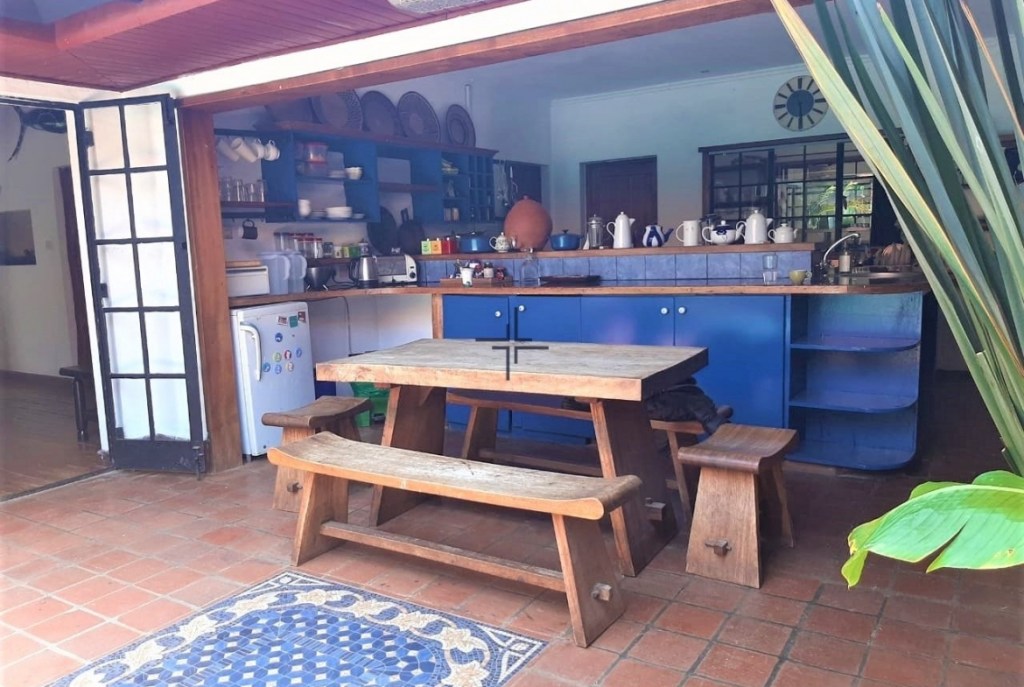
A lot of my net worth is property equity which is not really accessible but means I can dream about living in a fabulous house like this on in Nairobi…

Property

So 60% of my net worth is property equity. This is across two homes. I rented out my main residence in the UK when I got a job overseas and it is still tenanted. This means that the interest rate isn’t great (abot 4%) but I have focused on paying off this mortgage as a matter of priority. That’s based largely on my risk appetite (AKA terror of losing my job and making my kids homeless) and whilst I realise it might not be the most rationale approach to wealth building, it gives me a sense of comfort. I had a huge deposit from the sale of my previous home, so the mortgage was only £156,000 to start with and I have paid off £111,000 in the past six years.

This property is also my only passive income stream, bringing in £1,250 gross, or about £900 net of all costs since I have a letting agent manage it and of course have to ensure that everything is in good working order.

My second property is the home that we live in in Denmark. I wrote a lot about the decision to buy, and then about freaking out about the cost of property here but on balance I still think it was the right decision. Aside from the ridiculous cost of rent, the housing market is crazy at the moment and I have friends who cannot find places to rent. So again – it’s not just a financial decision but one about stability.

I don’t try and overpay the mortgage on this house. Partly because it’s so huge I just won’t make a dent, but also because we will sell this when we move country again. So since housing is a significant monthly cost, I just pay it and hope that I get a return on investment that is better than paying rent to someone else.

I am interested in having more of a property porfolio but it’s so hard in the UK. I listen to a lot of great FIRE podcasts from the US and everything – from the financing, to the market – just seems miles away. There are also ethical issues, in both directions, about being a private landlord but that’s a post for another day.

Savings

The result of buying a second home though was that my savings and investments took a massive hit. I went from almost £100,000 in savings to around £20,000 which I have built back up. That amount includes my emergency fund of £10,000 and the rest is in a stocks and shares ISA.

This is the area that I really want to focus on as there is so much room for growth. I also feel very property heavy in terms of the portfolio overall, and it’s money that just stays tied up.

Whether you’re saving for a rainy day or a cloud forest holiday, this is the most flexible part of your portfolio. Photo by Vlad Bagacian on Unsplash

Pensions

So this is the confusing area I think. Most of the FIRE community talks about total pension pots, and for me that is around

But the majority of my pensions are defined benefit which works totally differently. Have a look here for a simple explanation but basically, defined benefit means that the pot doesn’t really matter: what I will receive as a pension is guaranteed. This is a great place to be in lots of ways, though it is limited in terms of flexibility. I can’t, for example, decide where those pensions are invested. But in terms of security and planning they really work.

So what is interesting is not so much the overall pot as how much each one will pay out in retirement. The figures below show both the current pot value calculated as the transfer value (what I would get if I cashed out or wanted to move it) and also what it’s scheduled to pay out. All of the defined benefit schemes pay out when I am 67, so I also need to focus on what could be quite a long period to bridge if I want to retire at 50.

One thing to note is that the third pension pot will pay that out if I carry on contributing at this level for another two years – if I leave the job before then, they just pay me out the transfer value. So I need to stay here at least a bit longer!

PensionsTransfer valuePension on retirement
TOTALS £ 234,973£23,316
 SIPP £ 42,983£400
 Defined benefit pension 1 £ 39,462£1,400
 Defined benefit pension 2 £ 62,304£6,250
 Defined benefit pension 3 £ 90,224£15,266

You can see from this that they aren’t all equal. Each one has a totally different rate of return.

It does make me question the value of investing in the SIPP, as works out as a 1% rate of withdrawal which doesn’t seem that smart. Once I lock in my defined benefit pensions, I might stop this one and focus on saving and investing in other ways.

So that’s it. There are other very small pots in there like crypto but these are the real pillars of my financial plan. I do need to think about rebalancing them but for now I will end on a picture of the kitchen from that same house – because dreaming big is what it’s all about.

Kitchen goals

What do you actually need to retire on?

Last week I wrote about how my net worth is now $950,000, and how I was feeling about it. Do come and join me on Insta where I tell the same stories but with a lot fewer words, and with photos of Barbies. What’s not to like?!

This week I want to talk through what the limitations of my net worth are. Not because I’m ungrateful or want to scare off people who are much earlier on in the journey, but because there are impacts to how we organise a portfolio which means that net worth doesn’t necessarily tell the whole story in terms of what I need to retire on.

So let’s go back to basics. The FIRE approach to early retirement takes as standard the 4% rule: basically, you need to save 25 times your annual financial requirements, then you will be able to withdraw 4% each year in a way which will keep you going for at least 30 years.

Yes ma’am! Photo by Precondo CA on Unsplash

There has been a huge amount of discussion on this in the FIRE community and outside. The 4% rule comes from the fairly standardised view of return on investment in the stock market. The S&P500 for example has an annualised return rate of 7.5% over the past decades. So if you assume inflation gobbles up 3%, you’re left with 4% that you can withdraw before impacting on the capital.

Right now, there are commentators noting that the 4% rule might not work as well in future, as the stock market goes into a period of instability (or, you know, total global apocalyptic meltdown). Others point out that, on balance, the markets always right themselves eventually. At the point of drawdown though the issue is this – if you are retired and you need to spend out of your portfolio, you can’t wait for the market to resettle, and you can’t withdraw based on an average. So if you need to take money at a challenging time when the markets are down, you will either only be able to take out less, or it will diminish your capital.

As an aside, if you are new to this journey you really don’t need to know everything about the stock market but you might want to explore a little – I love Paula Pant’s recent basics guide.

Enjoy yourself! Either by talking about the stock market, or by planning your fantasy life when you retire. I know which I prefer… Photo by Jay-Pee Peña 🇵🇭 on Unsplash

(Side bar – I do my financial planning in GBP£ but calculate my net worth in US$ because it looks better. I know, I know, the games we play with ourselves…)

The reason this matters is because it has a significant impact on how much you need to save in the first place. I worked on the basis that I need £30,000 per year to live on – there are a lot of assumptions and years of budgeting behind this, but broadly, it works. Which? have a fascinating annual survey of how much retirees spend annually, and they calculate that £31,000 per year is enough for a single person to have a ‘luxury retirement’. But this assume the person is older, without the need to financially support children or their own elderly parents. It also says that spending on food and drink dramatically decrease and let’s face it – that’s not going to be me.

To withdraw 4% and have this be £30,000 per year in retirement, I would need to save 25 times that amount. So 25 x 30,000 = £750,000 ($975,000), which is very close to where I am. Using a more conservative approach would suggest using the 3% rule instead, or saving 33 x 30,000 = £990,000 ($1.23m).

There are lots of caveats to this in terms of how you do your planning and what it means, but it is also a stark reminder of where the mindful money aspect comes in to play. It sounds obvious, but the more you want to spend in the future, the more you have to save now. This also means looking at paying down debt, or paying off your home: basically balancing your expenditure with your planning.

Gather up your courage and do your calculations. Big Shaq is with you!

That means that the first and most important step is to know your numbers. Next week I will walk through my portfolio and some of the challenges in calculating an early retirement age, especially around accounting for defined benefit pensions, and deciding how to treat buying a house vs renting, as well as understanding what each of these options means in your planning.

Until then, I hope you enjoy working through some of your numbers. I’d love to hear from you, here or on Insta, about how it’s going and whether there are any more hacks and ideas I can help with.

New Year 4: You need (some sort of) budget

Well yeah it’s February but there are still 11 months left of the year, so don’t worry if your New Year’s resolutions are taking a while to kick off. As with everything to do with changing habits and mindsets – or indeed with personal finance – takes time.

In my previous posts, I promised to come back to the concept of budgeting. Lots of people start here but whilst I agree it is super important to know where your money is going and how to spend more mindfully, starting with the budget always makes me feel like it’s putting the least interesting bit first and there’s a risk you will get put off before you get to the thrill of setting yourself up for your dreams. That doesn’t work for everyone though, so do things in the other that you find the most inspiring.

You need to get excited, and to put your foundations in place: do whichever most turns you on first. Photo by Silas Baisch on Unsplash

There are equally a ton of different ways to create a budget and it depends on where you are with your finances.

Zero-Based Budgets

Best for: people with limited incomes, or challenges with spending habits

The idea here is to give every single penny of your income a job – to allocate it an ensure that it doens’t wander off by itself. It’s a monthly budget based on an assessment of all your fixed costs, then where you allocate funds to discretionary spending and to savings. Once this is done, all you have to do is track your spending and basically stop if you are about to go over any of your planned limits.

There is lots of information on estabishing a zero-based budget but all you really need to know is a detailed list of your income and usual expenses:

  • Fixed costs – the basics to keep the wheels on your life;
  • Discretionary costs – including groceries since how much we spend on this can vary so widely, along with things like clothes, cosmetics, entertainment etc;
  • Irregular costs – these could be either fixed, like a car service or discretionary, like an annual subscription, but you need to be able to plan for them (or choose to cut them out) or they will mess up your monthly plan.

Once you have done an audit of all of these costs and listed them out, take a really good look. Are you being realistic? Over-ambitious in terms of cutting costs, or too lenient? If you are at the point of making a budget it’s because you want something more important so focus on that instead of on feeling like you’re cutting all the treats out of your life. Building your future is literally the best treat you could have.

Budgeting is just organising what you have so it gets spent in the ways you intend. Photo by Andreas Näslund on Unsplash

50/30/20 Budget

Good for: people who want a framework then a bit more freedom, but are still getting started on a financial independence journey.

This is pretty similar to what I do, thought with the cost of childcare it’s more like 65/15/20. It’s a pretty simple way of guiding your money rather than tethering it down, which is why it is easier to do if you have some slack in your budget and aren’t troubled by impulse spending.

You set out your expenses into buckets: 50% for needs, 30% for wants, and 20% for savings. You will need to know your fixed costs, then be prepared to budget down on your needs so that they fit within your budget envelope. It’s a really good way to get started in terms of savings – or paying down debt – and trimming your budget in a way which helps you to build good habits. You will still need to roughly track what is going to each bucket during the month so that you can make sure that the ‘wants’ 30% isn’t going off track but you can also be secure in the knowlegde that you have covered all your bases, and you are living within your means.

Extreme Budgeting

Best for: those who are really driven by their goals and have flexibility. Or who love budgeting.

This seems to be a pretty common story in the FIRE movement, but it’s not something which has ever really worked for me. I could argue this is because of lack of flexibility though these are linked partly to my status as a single parent and partly to other choices, like staying in a career which prevents geo-arbitrage.

This is a huge leap from either of the other two, which are more focused on the basics of mindful money. Extreme budgeting can be done in fact with either a zero-based budget, or using different percentages with the same 50/30/20 approach but the focus is on drastically reducing spending. Here you would audit your spending then really interrogate it. What can ou cut back on? What would that mean for your life – moving house, selling your car, cleaning your own house? I like the focus on a Marie Kondo-esque focus on what brings you joy and cutting it out. There is often a focus on discretionary spending, but this can also be applied to your fixed costs – maybe that big house isn’t bringing you what you thought it would, and you can consider downsizing for example. As with all budgets, it’s totally personal, so for me one latte a week brings me joy so I buy one on Sundays whilst my daughter is at ballet class and really savour it: buying another one at any time feels like a waste of money rather than a treat, so I just don’t do it.

There are brilliant resources from people who live this way and have done brilliantly on their FIRE journeys. Try the Frugalwoods blog or book (which I love though the couples element personally puts me off a little) or try Michelle McGagh’s No Spend Year for a detailed and inspiring journey from the UK.

Find the joy in everything, even budgeting – you are owning your future. Photo by Taylor Heery on Unsplash

There are a lot of different options and you might need to try a few, or move on from one to another. The main thing is to get started: to be mindful with your money you need to know what you want it to do, and then intentionally guide where it is going. There is always going to be an element of tracking as well, especially at the start, and I will talk about tools for that too in future posts. Budgeting can feel like a tricky process to get started with, but it is putting you in control, and that’s a great feeling.

How do you do your budget and what tips do you have? I’d love to hear from you!