How reaching $1 million net worth (almost) feels

Don’t forget to join me on Insta! Loving the conversation and energy over there.

So I have missed writing this blog for two weeks. This seems like pretty poor form, especially so early in the year, but honestly it was an act of radical self-care. I was in Kenya for work and took some time to connect with friends and loved ones, and really think about where I’m going. It also made me look back on where I have come from, so this post explores some of the feels I’m experiencing about getting so close to another net worth goal and what it all means. TL:DR – it’s not what I expected.

Lots of people are finding things hard at the moment. The world is (I was going to say ‘feels’ but let’s cut to the chase) unstable and scary; we’ve spent two years away from normal connections; the cost of the day to day is soaring – basically, it can feel like we’re all screwed.

View from my window this morning. No matter how bad, the sun still rises.

I’ve written a lot about gratitude but usually as more of a warm fuzzy rather than an actual practice. But gratitude is the antidote to stuckness, anxiety and fear, so when it feels like the world is screwed it’s the obvious place to go. Then someone on my Facebook asked – is there even any point starting a FIRE journey after 40? After taking a minute to feel sad about all the limiting beliefs society and ourselves live to, I had to answer HELL YES. And it also made me take time to be grateful for how far I have come, and how I now get to encourage others.

There is always a point to taking control of the things in our lives within our grasp. Being mindful with money – or work or whatever – instantly converts those thoughts and activities to a meaningful engagement with the world. It sounds obvious but getting intentional about your decisions and actions really does make a difference. It is so easy to float about thinking you will get around to something, whilst all the time you are building up a life you don’t want. So – being intentional will positively impact your life, regardless of whether it equates to your FIRE goals.

In preparing to reply to her, I checked my numbers – and realised I am at $950,000 – so almost $1 million net worth.

mmmmmhhhhmmmm

I mean, I pay close enough attention to know I was heading there but changes in the housing market in particular have really made a difference.

Ironically, my first thought was – I thought it would feel better than this.

Hear me out. I worked my backside off to get here, and I really am grateful. But perhaps there is something about having an iconic goal, and one which is actually a proxy indicator rather than the goal itself, which doesn’t feel that special? It might also be hedonic adaptation – if I went from zero to this, perhaps the feels would be different? Or perhaps I’m just an asshole.

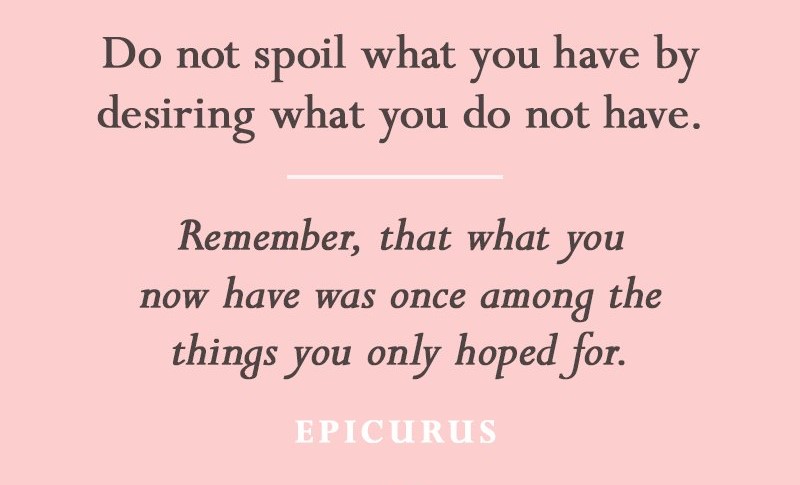
I will run through my numbers properly next week but I also note that this net worth is not enough to retire early on: or at least it isn’t in the portfolio I have which is very largely pensions and real estate. What it does give me though, is a sense of achievement and possibility. What I need to guard against now is the hedonic treadmill and striving for more and more. And also against being ungrateful to the point that I don’t even smell the roses.
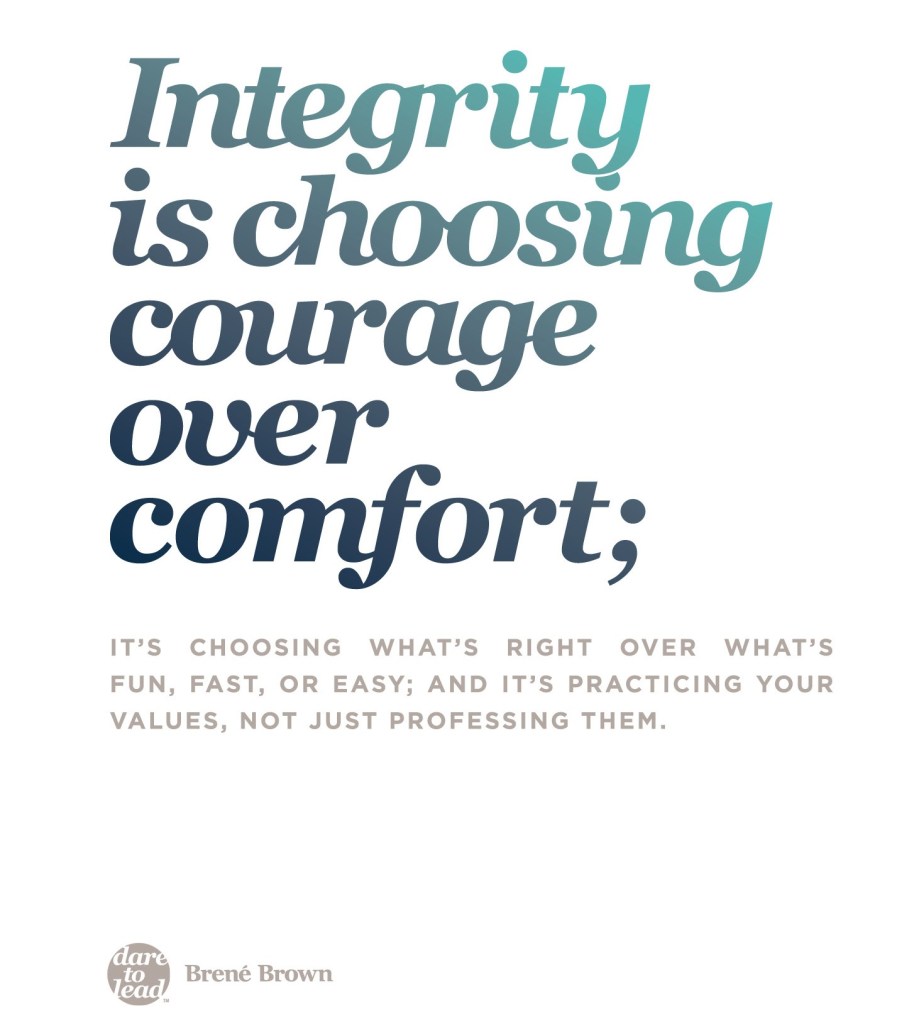
And I need to get back to what really matters. My two weeks away highlighted to me that I am less prepared to keep waiting and making compromises than I have been to date. Hoping to pile up some more money when it isn’t even making me happy – and I have enough to be financially secure to the point where I can think about taking risks – is starting to feel like the wrong bargain. But that feels like a success. I started this journey wanting to make FU money. Maybe I’m just a lot closer to saying FU.

Valentine’s Day Massacre: The financial inequality of single parenting

I originally posted this in February 2021, but it contains such critical reflections on financial inequalities that face single parents that I wanted to come back to it. Things are even worse one year on: the impact of repeat COVID lockdowns but without the financial cushioning; soaring utility costs; rising inflation – in short, a cost of living crisis which is exacerbated by stagnant wages and new challenges in juggling work and childcare. So I have made some updates but the message is broadly, unhappily, the same.

Being a jolly sort of soul (and, obviously, single), Valentine’s Day seemed like the perfect time. I considered doing a post on self-care and self-love and how this relates to FIRE, but whilst it’s great to work on being positive and hold yourself to account, sometimes it’s necessary to look at structural inequalities and burn. it. all. down.

This isn’t a post about how hard it is to do all of this on one income, though that’s true. There are more single people in the world than ever, around 45% of the adult population in the global North, and there is evidence that they are happier than married counterparts. I am not an evangelist for the single state – indeed I would be happier in a commune than living alone – but I do sometimes imagine what I could achieve if I was part of a couple with the added energy, income, time and other resources and it makes me dizzy.

There’s a lot of love out there, even if you’re single. Duh. Photo by Paweł Czerwiński on Unsplash

So no, it’s not just jealousy or the basic ‘2 incomes is better than 1’ point. In the UK and many other countries, ‘couple privilege‘ is a real thing: outside of the obvious difference in having two incomes, there are tax privileges to having a spouse for example. There are a myriad of hidden costs to being single, from holidays to supermarket norms, not to mention the cost of housing and how single people are viewed as a greater risk in terms of accessing a mortgage.

In addition to this, for single parents there are punitive financial measures specifically designed to impact on us. Don’t forget that our current Prime Minister called the children of single mothers “ill-raised, ignorant, aggressive and illegitimate” (ironic given his contribution to the creation of single mothers). And don’t his policies show this belief. Changes and restrictions in benefits (most of which are not actually spent on ‘dole scroungers’) including family benefits are pushing single parent families even further into poverty. The British charity the Child Poverty Action Group have talked about the ‘war on lone parents’ and cited evidence that current policy really does try and make it harder for single parent families, presumably as a deterrent for the terrible mess we make of society.

Research in the UK shows that this approach has been so successful that it is not possible for a single parent on median earnings to reach a decent minimum living standard. Indeed, the gap between earnings and costs are getting worse thanks for austerity and benefit cuts, and price rises. For lone parents working full time on median earnings, the shortfall has risen from 6% to 16% in the past ten years.

In 2019, the overall cost of a child up to age 18 years (including rent and childcare) was £185,000 for lone parents (up 19% since 2012) and £151,000 for couples (up 5.5% since 2012). A greater cost, on half the possible income. It feels hard because it IS hard.

Maybe we should be angry instead of ashamed. Photo by Miguel Bruna on Unsplash

In a previous job where I was posted overseas for a British company there were significant benefits available for a spouse that I was unable to tap into for either of my children’s secondary parents – their father, or their grandmother. These benefits included the cost of flights to spend time with us, or if one of them had wanted to live with me, pension contributions. I lost out on around £20,000 per year because those benefits could only go to someone with whom I had a very particular intimate relationship. I felt totally judged by 1950s hetero normative rules: you can have the money if you still go to bed with the person with whom you had children, but if not, forget it.

The attitudes here, both in the treatment of those on benefits and low wages, and those of us in a much higher tax bracket, are united by the same message. You have failed, and you should be ashamed.

And we are ashamed. Parents who have to bring up their children on the bread line already feel like they are failing without being told. A New York Times article talks about how normal this all is. Whilst being frugal, getting a side hustle and so on are the building blocks of FIRE they are also par for the course when making ends meet. It’s the same shame that stops people asking for help; stops them checking to see if they have the benefits they are entitled to, or asking for adjustments to working hours. It’s the same shame that in my own petty way, stopped me from questioning why I was paying 50% of a bill where I was clearly not benefitting from 50% of the purchase.

I am blessed to be able to bring up my children without stinting – on luxuries as well as the basics, where we are frugal it’s out of choice – but I am also constantly anxious about what happens if I can’t work. We don’t have a second income to lean back on. We don’t have a plan B.

Lessening that anxiety is one of the reasons that financial independence is worth so much as a single parent. There are loads of brilliant exes out there who co-parent and equally share the financial burden but I can honestly say that I don’t know any of them myself. When you have sufficient issues with someone that you made the enormous decision to break up your family, relying on them financially can be challenging however easy it is. Sometimes the plan B just isn’t possible.

But sometimes, we also need to think about how society – and communities like FIRE – can help us create new plans. Love is so much more than just romantic: for our kids, for our community, our planet and each other. Happy valentine’s day to us all.

Love one another, wherever you are at. Photo by Priscilla Du Preez on Unsplash

New Year 4: You need (some sort of) budget

Well yeah it’s February but there are still 11 months left of the year, so don’t worry if your New Year’s resolutions are taking a while to kick off. As with everything to do with changing habits and mindsets – or indeed with personal finance – takes time.

In my previous posts, I promised to come back to the concept of budgeting. Lots of people start here but whilst I agree it is super important to know where your money is going and how to spend more mindfully, starting with the budget always makes me feel like it’s putting the least interesting bit first and there’s a risk you will get put off before you get to the thrill of setting yourself up for your dreams. That doesn’t work for everyone though, so do things in the other that you find the most inspiring.

You need to get excited, and to put your foundations in place: do whichever most turns you on first. Photo by Silas Baisch on Unsplash

There are equally a ton of different ways to create a budget and it depends on where you are with your finances.

Zero-Based Budgets

Best for: people with limited incomes, or challenges with spending habits

The idea here is to give every single penny of your income a job – to allocate it an ensure that it doens’t wander off by itself. It’s a monthly budget based on an assessment of all your fixed costs, then where you allocate funds to discretionary spending and to savings. Once this is done, all you have to do is track your spending and basically stop if you are about to go over any of your planned limits.

There is lots of information on estabishing a zero-based budget but all you really need to know is a detailed list of your income and usual expenses:

  • Fixed costs – the basics to keep the wheels on your life;
  • Discretionary costs – including groceries since how much we spend on this can vary so widely, along with things like clothes, cosmetics, entertainment etc;
  • Irregular costs – these could be either fixed, like a car service or discretionary, like an annual subscription, but you need to be able to plan for them (or choose to cut them out) or they will mess up your monthly plan.

Once you have done an audit of all of these costs and listed them out, take a really good look. Are you being realistic? Over-ambitious in terms of cutting costs, or too lenient? If you are at the point of making a budget it’s because you want something more important so focus on that instead of on feeling like you’re cutting all the treats out of your life. Building your future is literally the best treat you could have.

Budgeting is just organising what you have so it gets spent in the ways you intend. Photo by Andreas Näslund on Unsplash

50/30/20 Budget

Good for: people who want a framework then a bit more freedom, but are still getting started on a financial independence journey.

This is pretty similar to what I do, thought with the cost of childcare it’s more like 65/15/20. It’s a pretty simple way of guiding your money rather than tethering it down, which is why it is easier to do if you have some slack in your budget and aren’t troubled by impulse spending.

You set out your expenses into buckets: 50% for needs, 30% for wants, and 20% for savings. You will need to know your fixed costs, then be prepared to budget down on your needs so that they fit within your budget envelope. It’s a really good way to get started in terms of savings – or paying down debt – and trimming your budget in a way which helps you to build good habits. You will still need to roughly track what is going to each bucket during the month so that you can make sure that the ‘wants’ 30% isn’t going off track but you can also be secure in the knowlegde that you have covered all your bases, and you are living within your means.

Extreme Budgeting

Best for: those who are really driven by their goals and have flexibility. Or who love budgeting.

This seems to be a pretty common story in the FIRE movement, but it’s not something which has ever really worked for me. I could argue this is because of lack of flexibility though these are linked partly to my status as a single parent and partly to other choices, like staying in a career which prevents geo-arbitrage.

This is a huge leap from either of the other two, which are more focused on the basics of mindful money. Extreme budgeting can be done in fact with either a zero-based budget, or using different percentages with the same 50/30/20 approach but the focus is on drastically reducing spending. Here you would audit your spending then really interrogate it. What can ou cut back on? What would that mean for your life – moving house, selling your car, cleaning your own house? I like the focus on a Marie Kondo-esque focus on what brings you joy and cutting it out. There is often a focus on discretionary spending, but this can also be applied to your fixed costs – maybe that big house isn’t bringing you what you thought it would, and you can consider downsizing for example. As with all budgets, it’s totally personal, so for me one latte a week brings me joy so I buy one on Sundays whilst my daughter is at ballet class and really savour it: buying another one at any time feels like a waste of money rather than a treat, so I just don’t do it.

There are brilliant resources from people who live this way and have done brilliantly on their FIRE journeys. Try the Frugalwoods blog or book (which I love though the couples element personally puts me off a little) or try Michelle McGagh’s No Spend Year for a detailed and inspiring journey from the UK.

Find the joy in everything, even budgeting – you are owning your future. Photo by Taylor Heery on Unsplash

There are a lot of different options and you might need to try a few, or move on from one to another. The main thing is to get started: to be mindful with your money you need to know what you want it to do, and then intentionally guide where it is going. There is always going to be an element of tracking as well, especially at the start, and I will talk about tools for that too in future posts. Budgeting can feel like a tricky process to get started with, but it is putting you in control, and that’s a great feeling.

How do you do your budget and what tips do you have? I’d love to hear from you!

Beach money: investing and risk

I’m taking a break from the New Year Money guides to riff a little. This week has been filled with stories of stock market crashes, crypto circling the drain, and general doom. Quick reminder that when weeks like this seem long, do join me for mindful money hacks and positivity over on Instagram @brilliant_ladies_money. Now with added Barbies and reggae!

So I wanted to chat a bit about risk, opportunity and how growing into your power means making decisions you really believe in: feeling your way through the different options and trusting that you have your foundations on point, whilst still showing up with courage.

Either way, let’s make it to the beach. Photo by frank mckenna on Unsplash

If you spend enough time on social media it is easy to believe that we are all missing out on the ability to make easy millions through crypto, NFTs (IKR?), or indeed being eight years old and making videos of oursleves opening gifts. I don’t believe it’s all snake oil though. My parents, like many working class people, refused to have anything to do with investing or the stock market because of deep suspicion, and it harmed their finances in the end. On my mum’s side I think it was partly her left wing politics but for both of them it was definitely lack of trust that the system could benefit them in any way, as well as lack of confidence. I think I’m the only person in my family to have investments, and it still causes my mum to freak out.

I thought a lot of this was historical, but a study by Forbes shows that 65% of people aged 18-40 say that investing in the stock market is scary or intimidating. But this is the interesting thing about perceived risks: that age group is also the most likely to be familiar with cryptocurrencies; have holdings or expect to buy crypto in the future. There are a lot of brave investors out there as well who see engagement with Wall Street as part of the great Battle Between Good and Evil. Whilst it’s not totally clear who is on which side, the pandemic, climate change and heated global politics means it’s not hard to get the sense that the End of Days are on the way. This week was the anniversary of GameStop – the memestock phenomenon that saw average small investors drive up the price of GameStop shares by 1,700% through enouragement on reddit. If you are interested in hearing more about that, and about understanding the ethics of engaging with the stock market and how to impact it, I really recommend Paula Pant’s podcast on the topic.

Whatever you do, make sure you understand the risks. Photo by janilson furtado on Unsplash

After a few years of investing – and freaking out, and sometimes doing stupid things – here’s what I learnt:

Your portfolio should have different options depending on your risk tolerance based on what you want that money for and the consequences of losing it. There is room for both the tortoise and the hare here: room indeed even for the Pink Fairy Armadillo. The question is choosing the right vehicle for your money at any particular point. If you are socking money away for retirement you already know:

  • What your time horizon is, and probably that you have a long period to invest meaning that you can choose vehicles which take a longer time to generate a return, as well as needing to factor in inflation. The long horizon also makes it wise to look at tax implications since you will, hopefully, be making a bunch of money over a long period.
  • That you need to be sure there will be money by the time you retire, so your risk tolerance will likely change as you get closer to the date and you will have a chance to rebalance so it makes sense to find a mechanism which allows that.
  • The consequences of not investing wisely would have a massive impact on the later seasons of your life. If you lose your retirement fund, it increases the likelihood that you will have to work way, way past when you want to and are more at the mercy of health issues, not able to help out adult children and so on. Basically, it’s not where we want to end up, and for my generation who worked 15-20 years before pension auto-enrollment but will probably get to retirement after the State Pension has gone up in smoke, it is a very real destination.

Balancing the options therein should get the balance between comfort and discomfort.

  • Get the very basics right first. If you have a clear saving and investing strategy for the money you have coming in based on hierarchy you will create a foundational level of comfort which frees you to be courageous elsewhere. Allocate the money that needs to be there to pay your bills, keep your kids fed and a roof over your heads, and it removes a whole load of late-night anxiety. This money is not something you need to invest anywhere, at any time. Keep it accessible, and spend it – it’s what you made it for. Check out my post on working out your fixed outgoings, and go from there.
  • Prepare for emergencies. I am a total catastrophiser. I think working in the humanitarian sector for so long, coupled with a few unexpected life disasters and an overactive imagination means that the only answer I ever have to the question ‘what could possibly go wrong’ is ‘EVERY DAMN THING’! Whether you think they are coming or not, having rainy day money, or an emergency fund, means that you won’t be thrown off course by a broken down car, month without work, or whatever else. Keep it accessible but don’t spend it unless you have to – it’s there to protect you later on. As I say to my kids, boredom is not an emergency.
Beauty has foundations and grandeur. Work out what needs to be where to hit the right balance. Photo by Johannes Ludwig on Unsplash

After that, base decisions on what you are prepared to lose.

  • Optimism bias means that we are programmed to think about what we have to gain. Negative Nelly over here says – but what about what you might lose? There is a reason though why this is the right question to ask when thinking about investing. With the examples above of retirement, monthly costs and emergency funds, the answers are quite different. The risk balance for retirement is also cushioned by the longer time horizon, and by the fact that (hopefully) you can delay using that money by a few months or years if you need to ride out an occurance in the market.
  • Conversely working this out gives you a whole load of freedom for other pots of money. I have a few super high risk investments which have all been done with what I call beach money. This is money where if I lose it all it means I can’t take my kids to the beach for a holiday – not that we can’t pay our rent. It means I can be brave (or ill informed, let’s be fair) and it really doesn’t matter. I have about $10,000 of beach money investments across angel investments and crypto, and I only really think about it when I am getting antsy that I might be missing out on something.

Working out your priorities means you will create a framework in which you can have certainty and risk where you need to. Let me know how you balance this out, I love hearing from you!

New Year 2: Auditing your fixed costs

First of all, in line with ‘new year, new challenges’ I am thrilled to let you know that I have set up an Instagram account, @brilliant_ladies_money linked to this blog. Do join me for daily tips, hacks and inspiration on mindful living and growing into your financial power – plus I’d love to see what you are working on!

Last week I wrote about giving yourself a break: this week, it’s more about knuckling down and finding ways to do some of the foundational tasks on which you can build out your financial independence journey.

Whilst most people think about going straight to budgeting, my feeling is that can seem like a huge mountain of joylessness. and sometimes that is offset by knowing how great you will feel afterwards but – a mountain is a mountain, you know? So I recommend splitting this out and focusing first of all on an audit of your fixed costs.

Maybe boring but necessary – find that paperwork! Photo by Kelly Sikkema on Unsplash

Undertaking an audit of your finances literally just means going through the details of your spending and working out what your outgoings are, and how often they are paid. I am not talking about discretionary spending at this point – that will be what you have left over once you have done steps one and two. And you don’t need to include things which go out of your pre-tax salary like pension contributions or healthcare since all we are doing is balancing your take-homie budget. There are tons of different ways to do these things, and they key is trying something and sticking to it long enough to see if it works for you.

So, what are all the things that you have to pay regularly, whether monthly or annually? We’ll talk about ways to plan for the non-monthly outoings but for now, just make sure they are in here.

  1. Think about your fixed costs and what they might be – housing, transport and childcare are usually the three biggest. Think about your utilities, council taxes, car service or tax, income tax if you are self-employed or have side hustles and so on. It would also include debt repayments if you have them. How to fast track debt repayments is a different discussion: for now just list them out.  The list doesn’t include regular payments which you could choose to live without, like media subscriptions: only the essentials.
  2. Go through your direct debits and standing orders first, listing out the detailed amount, what it’s for, and when it goes out of your account into a spreadsheet or notebooks. You can write this down however you like but it’s easier to use a spreadsheet because then you can change figures and it makes it easier to track your overall spending over time.
  3. Go through your bank statements and identify other areas where you might have other regular costs. I pay our public transport passes via a recurring card payment so they only show up on my statements. Add these into the spreadsheet. You might need to scour a full year of statements, but if you have in mind when your fixed costs come out you can be a bit more focused.
It can even be beautiful before you start the climb, but the view is much better from the top. Photo by Kyle Johnson on Unsplash

This is what my real numbers look like. And I know the actual amounts are OUTRAGEOUS but I live in Denmark – which also explains the salary – so it’s also pretty standard. I will chat another time on the sky-rocketing utility bills happening all over Europe (when I can find the time in between putting extra jumpers on), but for now, this is what I expect to have as monthly fixed outgoings in 2022:

Personal insurance £               11.48
Home insurance £               38.33
Car insurance £               54.91
Buildings insurance £               88.29
Insurance Totals £         193.01
Electricity £             147.62
Internet £               35.70
Water  £             209.72
Gas & hot water £             494.13
Security (offset by cheaper insurance) £               32.94
Council tax £             302.59
Utilities Totals £      1,222.70
DK Loan £             788.22
Mortgage £         1,045.30
Deposit Loan (more on this later…) £             498.00
House Repayment £      2,331.52
Train passes £             100.00
Car service and tax £               25.00
Transport Totals £         125.00
 Childcare Totals£      1,089.45 
 MONTHLY FIXED TOTALS£      4,961.68 

Remember that this is your life, and your money. Some people see childcare as negotiable and might look at this and see how to rebalance their priorities with their spouse. That is not my life, so this stays as a fixed cost. Ditto transport – whilst people can change how they approach transport, I don’t plan to do so this year so it’s going to stay fixed.

And that’s it! Everything else you spend is discretionary. And yes there are other things you need to stay alive like food, but we’ll deal with the monster topic that is grocery shopping in part three.

Once you know what your fixed costs, are, take your income, and minus these costs. Then you have the money you have left over to save and to spend. For me that’s £7,500 as monthly take home meaning I have £2,538 left. That means my fixed costs are already 65% of my monthly income.

Next week we’re going to work on what this means for saving, spending, and making it all come together for the changes you want to see in your life.

It will make everything so much simpler for the next step. Photo by Pablo Arroyo on Unsplash

Let me know if you undertake this process and how it works for you. And here’s looking forward to a fabulous 2022!

New Year 1: Getting started with money

So here we are again, another year! Having started off with a cheerful little post on loneliness, I wanted to come back to thinking as the FIRE community, where you are definitely not alone. Whether you are new to thinking about personal finance or fully on your path, the new year offers a moment to take stock and think about where you want to be, and how you will get there.

Woop! Photo by zero take on Unsplash

Now, I don’t really make New Year’s resolutions. As my dear friend said – why add pressure? Why not just resolve to be kind to yourself, and treat yourself well? I think that is sage advice, but I do like to find tangible ways to treat myself well (and also to myself, said with love – this does not involve a cold beer and some cheese straws).  I’ve written before about how managing your finances is an act of radical self care and it’s certainly true for me.

I know lots of people find thinking about finance stressful: try imagining instead that dealing with your money is a way of reducing stress now and in the future. You might have to sit and do some tedious legwork now, but what if it meant no more sleepless nights worrying about money? What if it freed up some brain space for you to dream and act on those plans? Now that’s worth a resolution.

So my advice to you, especially if you are just getting started, is to give yourself a break. We’ve all had a hard few years, and a lot of the financial (and other) news coming out suggests that 2022 isn’t going to be a bunch of roses either. The most important thing though is to give yourself some grace and some space, not just because you deserve it but because when you are ready to work on your finances (or your weight, your love life or your novel) you will come from a place where you are more centred and compassionate, and more able to engage.

New year, same old you, but maybe with some new ideas. Photo by Sincerely Media on Unsplash

I also believe there are a lot of easier ways to cut through the white noise of financial confusion. My next few posts will cover some options as to how to knock your finances into shape for 2022, when you are ready.

There is a ton of financial guidance out at this time of year. January feels like a fresh start, plus it’s common to come out of the holiday period feeling a bit queasy about overspending, or about carrying debt into yet another year. Sometimes the advice can be helpful, but I find many of them either over simplify – “set a budget and stick to it” is a frequent gem which makes me think “oh thanks! :facepalm:” – or cram so many different things in that it can feel overwhelming.

So my new year financial resolutions are limited to the following:

  • Audit: Work out what my fixed costs are;
  • Pay myself first: Work out what I can reasonably save and ensure that it is automated to come out straight after I get paid;
  • Burn the budget: Basically, I’m not going to sweat what happens with the rest of my money. I mean, within reason.

And that’s it. Simples! Looking forward to sharing my audit process, and my own results, next week. Until then, put your feet up and finish off the Christmas chocolates. You got this.

Grace and space first: everything else will come. Photo by Nitish Meena on Unsplash

Don’t curse the darkness: light a candle

Whilst I will come back to the ‘Creating the future’ thinking, this week it’s Hannukah, so I wanted to stop for a minute and think about miracles, and gratitude. It’s a recurring theme in this blog, but it’s something which is central to how I think about mindful living – and let’s face it, more gratitude in this sometimes cold and scary world can only be a good thing.

Hannukah celebrates the story of power over adversity, and of accepting grace. It’a basd on a historical story from Jerusalem in 168 BC when the Greeek king Antiochus IV Epiphanes banned Jewish practice and defiled the Jewish Temple in the city by installing an alter to Zeus and sacrificing pigs. The Maccabees, a small army of Jews (and not a football team) rebelled, regaining control of the temple where they removed the false alter and worked to reconsecrate the temple. But there was only enough oil to burn for one day which wasn’t enough for the necessary rituals. And then the miracle occurred, and the oil burned for eight days.

Yes it did! http://www.hannahkallio.org

There’s a lot of discussion about how Hannukah was a minor Jewish festival which has become increasingly visible because it’s fun (candles, doughnuts and games – what’s not to like?!), and it’s usually around Christmas. But I love it because it’s a time of year to celebrate the miracles which surround us, and sit and stare in wonder.

But why does that matter? To me it matters because within the noise of the daily struggle, the challenges of striving and growing, the sheer astonishing, fierce, splendid grind of being human, we need to make time to be quiet. Not just to go inside yourself and see what’s there, but to get to the horizon where your power ends and feel your way into what higer power is with you.

Be a candle, lighting up a dark world. Photo by Claudio Schwarz on Unsplash

At Hannukah you usually say ‘a miracle happened here’ if you’re in Israel, but I like to say it because miracles are happening to and within us all, all the time. Rabbi Heschel, philosopher and civil rights activist who marched with Dr King, talks a lot about why taking time to recognise this matters, saying:

People of our time are losing the power of celebration. Instead of celebrating we seek to be amused or entertained. Celebration is an active state, an act of expressing reverence or appreciation. To be entertained is a passive state: it is to receive pleasure afforded by an amusing act or a spectacle…. Celebration is a confrontation, giving attention to the transcendent meaning of one’s actions.

Source: The Wisdom of Heschel” ― Abraham Joshua Heschel

There’s a lot of evidence that gratitude makes you happier – that people who make time to be thankful have better health, stronger relationships, and are more robust. And it makes sense if you are focused on working toward your goals that not stopping to celebrate how far you’ve come will rob you of opportunities to be proud and joyful. And they are all feelings you need, to spur you on as you climb your next mountain.

From Epicurus, who was around at the same time as the sacking of the Temple

So this week,I suggest taking some time to pull over for a minute from the highway swerving of your day-to-day and taking a moment to celebrate what has happened in your life. A miracle happened here.

Self-identity, decision making and FIRE

Apologies for seeming self-obsessed these days, lurching from talking about radical self-care to self-identity. I could argue that it’s because western society is relentlessly individualistic, or that as a single parent there’s a whole lot of me-myself-and-I about my decision making. There are arguments within the FIRE community that pursuing this goal gives a whole load of freedom to redefine yourself: that we are more than our jobs, and can therefore move out of the social expectations which bind us to a particular path.

The question I have been asking myself this week, then, is who is the ‘you’ which is in charge of that decision making?

Who are you at this particular moment? Photo by Brett Jordan on Unsplash

Partly this has come up because I realised that my decision making is not consisent but is always based (well, almost) on mindful decision making and therefore being satisfied with the verdict. It’s one of the reasons it’s useful to look back on budgets and approaches to spending with the mindset of who was I being at this moment – what was I prioritising? I can see days where I would buy take-out food, then months where I wouldn’t; months where my charitable giving changed; months where I just seem exhausted and anything went. I’ve been searching for ways to be consistent but I realised I was already being congruent. It’s just that my true north is more like a spin of the globe.

This week I read an article about how to reclaim your children which spoke to a common issue for parents as their kids get older and they start to feel disconnected. I think most parents – indeed most people – notice that sometimes time surges forward in huge chunks and either our kids or ourselves suddenly seem to be in a new and unexpected phase. But this piece articulated for me a more focused consideration about how to show up in each of those moments, and what the benefits or risks might be. The part that stuck with me said:

“This is what I wish I’d understood as a parent; consciously understood,” Maté, 75, says. “Take a 10-year-old child. How many years have you got left with them? When they are still under your roof, under your direction? Well, what is your goal for those years?” Looking back on his life “from above”, he says, he can see that his own goal “was to be a successful and busy and high-accomplishing physician. And that’s how I lived my life.”

Gabor Maté

This resonated with me so strongly. Finding ways to align my goals, or to navigate them in a way which leads to choices which work across the major priorities, is a constant battle. Add on to this public opinion (or just my mum’s opinion which can feel just as loud and is irritatingly better informed) and I’m sometimes amazed I don’t just lie in bed with the covers over my head.

This is where we are all heading, but you are so blessed to get there. Photo by Danie Franco on Unsplash

I have written before about recognising the short space of time we have as parents of young children – as well as the fact that those years, as full of love as they are, can feel absolutely interminable at the time. What the quote from Maté also reminded me is that during those years, the me who has been in charge has come from different places of identity. Some core basics have remained the same, though how I feel about them and the extent to which they drive my daily living changes: I am a daughter, a sister, friend, mother. I am also a single mother, a mother whose children have a father with a very different identity, a Jew from a complex and mixed family, a humanitarian, an activist, a senior woman working in a difficult and critical field. During the time my children have been in the picture I have also been a doctoral student (and then able to answer the infuriating question ‘is it Miss or Mrs’ with – ‘oh, it’s Dr’) – a woman struggling with depression, a writer, and an ambitious leader.

On some days though I look at my identity-list and think that actually I’m just an asshole. Those are the days where the other things recede into the middle distance and it takes effort to bring myself back.

As Castenada reminded us, ‘choose the path with heart’: Photo by Noorulabdeen Ahmad on Unsplash

These days I wonder what it would mean to add lover, girlfriend, partner to this list. Could all the other things survive? How, in a world of having to constantly reshuffle priorities and feeling like I am always at least 25% failing, could I head out on these new adventures whilst keeping the responsibilities, joy and care I get from the other aspects? And the reason this matters is not whether this particular fabulous but nascent thing works out but whether I can see another shift in my identity which doesn’t shift the foundation of integrity.

And when I look at my decision making whilst it’s good to be conscious of those issues, that’s not how I should – or do – make choices. I make them with heart, and hope that the congruence across my ‘whole being’ will point me in the right direction.

Miracle on 42nd (birthday) street

Ah, here we are – that time of year again. I always have mixed feelings about birthdays – gratitude for the sheer privelige of each passing year, with the nostalgic sense of time moving ahead in a very finite way. And these days I get wrinkles, saggy bits, and bad hangovers. But as my mother would say, the alternative is death, so yom huledet sameach!

Woo! Photo by Miltiadis Fragkidis on Unsplash

But this year, something feels different – like everything has changed. I feel centred for maybe the first ever time and it’s causing tiny miracles.

For me the idea of being centred is that my whole self is in alignment. It’s about thinking and acting from a place which is calibrated with who I am. It sounds really obvious, but the magic is the extent to which this reduces tension and stress, because I’m not constantly pushing against myself.

Let’s be clear, I can still absolutlely be a twat, get things wrong, get antsy. But for whatever reason, at the moment that no longer equates to spiralling down a sink hole of guilt or shame. It’s like my mental company has shifted so that my inner voice is full of friendly compassion and not the negative drama queens who played a loop of what I was doing wrong and why it made me unloveable. And when I fail I try ad own it and learn from it, then move on, rather than seeing it as another foundation stone in an exhausting life of failure.

I’m also not totally sure where this has all come from. I’ve written a lot about micro-habits and small steps, and living mindfully, so maybe it’s a combination of all those things. Recently I’ve also been asking myself some tough questions, and trying to act on the answers. Why are you going out for a drink with those people when you always come away from their company feeling bad? Why are you second-guessing something you really liked after someone else was negative? What audience are you playing to here – and what validation are you seeking?

A lot of these are also essential FIRE questions – what decisions are you making, and based on whose opinion? By doing that, what are you denying your essential self either now or in the future? Breaking habits can be really hard, both for you and those around you when you start changing. And it’s a life time practice rather than a destination so it’s not like everything is solved forever.

Right now when the world is burning, it feels like a miracle to have come home to myself. Happy birthday indeed!

Net worth update

Schools have gone back here in Denmark, and even though it’s August it’s clearly heading towards autumn. Maybe September will be beautiful, but there is a chill in the air.

We have settled into the new house, and done the first week of school with the new route and routine, and I am getting to understand all the costs associated with this home (clue – it’s more of a mystery than it should be). I’m getting ready to reset my financial goals and as part of this I wanted to review my net worth. Buying a home definitely made my savings take a hit – some of it went to equity but some also to lawyers, removal men, registration fees and so on.

Whilst I usually do this in either April with the end of the tax year, of December, right now I have that new-school-year feeling so thought I would have a look!

NET worth. See what we did there? Photo by Raghavendra Saralaya on Unsplash

So here are the totals and the comparisons, showing that I have a current net worth of £628,532.

 Value July 2021Value Dec 2020Value April 2020Value April 2019
 Pensions  £                     193,164 £              163,540 £              134,240 £           105,675
 Savings  £                       25,368 £                 83,287 £                 68,500 £             26,000
 House Equity  £                     400,000 £              343,000 £              323,223 £           304,000
 Emergency Fund  £                       10,000 £                 10,000 £                 15,000 £               3,500
  £               628,532 £         599,827 £         540,963 £       439,175

Three of my four pensions are ‘defined benefit’ meaning that increases here come from money paid in to my current work pension (also defined benefit); and money paid in plus changes to investments on my SIPP. The projections for all my existing pensions, those from previous employmet plus the SIPP, comes to an income of around £11,881 per year. In my current job, if I leave before 2024 then I just get my contributions refunded so I won’t include a projection from that until I’ve worked out my time.

Over this time, my house in the UK hasn’t increased in value, and I slowed down additional mortgage payments to prepare for the new house purchase. I also put a solid deposit down on the Danish house, meaning my overall equity in property has increased to £400,000. This feels like a lot in terms of the balance, but as one of the houses is rented out and brings in a net income of around £10,000 a year, I am ok with it for now. The main part of that deposit was pulled out of savings, which is why that went down.

Money, money money. Photo by Jonny McKenna on Unsplash

Either way this shows an increase in net worth of £28,705 over seven months – an average of £4,100 per month. I am pretty pleased with that, especially with the significant amount of money spent on the house purchase, and it also shows me the need to bolster my savings and keep up the ‘set it and forget it’ aspects of my pensions. It also shows an increase of more than £200,000 in a little more than two years, which I am really proud of!

How is your net worth looking these days? I’d love to hear from you!