So I bought a new rental part 1

Happy end of July! It is almost the end of the summer holidays here in Denmark so I am working on de-cluttering the house, planning for the second half of the year, and sneaking in an more relax time I can get before it’s full steam ahead. Do keep up with the small things over on this blog’s Insta – other people’s Barbie obsessions are louder than mine these days but we still hang out!

One of the things which has been finalised over the summer is the purchase of my new rental.

I wrote in January about having sold my rental – both the decision making and process, and my own history of house ownership. I’m not working on a real estate empire. I am not even sure that it’s possible to do this in the UK for small investors, or if it is the challenges around accessible credit, robust tax measures and the general insanity of housing prices mean it certainly isn’t the walk in the park it seems to be in the US.

There are other difficulties for those like me who don’t live in the UK but plan to return. Once my fixed mortgage term ended, I couldn’t remortgage my UK home which was rented out, and I couldn’t get a mortgage for a rental home without owning a primary residence. And all this in a time of rising if hyper uncertain house prices and massive rises in interest rates and hence mortgage payments.

If landlording was my aim perhaps I would have really worked through these issues – with tenacity everything is possible. But since I also have ethical cautions around owning property for profit in a time when renters’ struggles are being ignored (and noting that this is a nuanced conversation and one I will come back to), I have continued with my previous plan.

From a FIRE perspective, and based on my own risk profile, my plan is:

    1. To own one rental in the UK, partly to maintain connection to the country.
    2. To have it near family/friends who could support me if I couldn’t work and was forced to go back to the UK. Since I am a single parent, not being able to earn money or adequately look after the kids would be an utter disaster, so having a plan B matters. This recognises the need to give tenants six months notice, but it still needs to be an option.
    3. To own it outright: see point 2 about risk mitigation.
    4. To own it for approx. ten years which would give tenants a good stretch of stability, and would bring in additional income for me whilst my kids are finishing up their education.

    With all that in mind, I looked for a property near my brother up around Manchester. This part of the decision making took really a long time, tipping back into the decision to sell my last rental. Who, realistically, could support me in the way I would need if the sh*t hits the fan? Where should I buy a property then? Since I can’t get a mortgage, how much of my nest egg do I want to invest in a property? Was I mad to sell from a high cost of living area where the property might have just carried on making money?

    And I am still not settled on some of the answers, but the housing market waits for no vascillating woman! I started looking for a property in December as I was heading to complete on my own house sale, though I needed to wait on capital gains tax and other fun deductions to work out exactly what I had to play with. My brother and his wife were amazing. I would look at properties online (which is both easy and fun, let’s be honest) and they would then talk me through the location, and go to view if it seemed like a serious option. Paula Pant, a FIRE fairy Godmother, talks a lot about out of state rentals and how to organise such a portfolio. Maybe I don’t put enough time into my rentals, or I’m too limited in my thinking, but without family around I would have found it impossible to sort this out unless I had travelled a couple of times to be hands on.

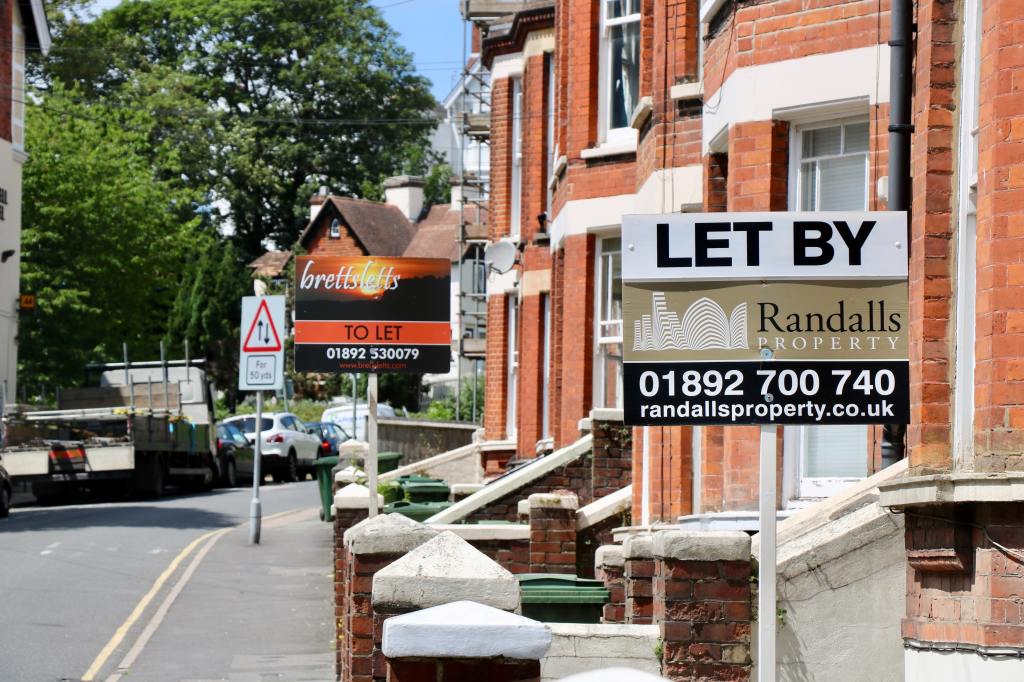
    So I completed on a house last weekend, and it goes onto the market for rent next week once all the paperwork is sorted out. It’s not my dream house but it will make a lovely easy-to-maintain rental for a family, hopefully long term, and would work for us if it had to.

    How to save for your kids

    Last week I was writing about how to pay for kids’ college, and the realisation that a) I am off track compared to my previous budget and investment planning and that b) there are a lot of ways to financially plan for your children’s future. As ever, this is complicated if you are a single parent and trying to balance the prorities around just keeping it together versus building foundations for the future you want for your family. And it’s complicated if you aren’t living/working/planning for college in one country.

    But I wanted to come back and talk a bit more about saving for kids and some of the options and thought processes.

    Before all of these processes, ensure that your kids are financially literate. Having them engage with the household spend and planning, understand that paying for one things rather than another is a choice, and managing their own pocket money, really builds them into adults who can make good decisions. Ideally we also raise them to be kind, smart, caring individuals who don’t get sucked into corporate BS and are mindfully contributing to the world, but I’ll have to let you know how I get on with that one.

    Another post on this coming soon.

    1. Just start saving something, as soon as you can

    Even a piggy bank works. Getting into the habit of saving small means that the reflex grows as your child gets older. There are better ways to invest the money, but an early focus on the saving part will help as you work out additional options.

    2. Think about whether there are others who might save for your children

    For me, my parents paid £10 per month into a savings account for each of my children between birth and five years old. It’s not a lot, but it’s what they can afford and it still represents £600 per child. They are also of the generation / mindset that doesn’t believe in generational wealth in the way that meant they would look at their grandchildren and focus on this kind of thing, but lots of people feel differently. So it might be worth exploring, especially if you have family who are in the habit of giving generous birthday or holiday gifts which might be better split into savings.

    My kids have never been gifted money, so whilst there is lots of advice about putting this into savings, it really depends if it’s coming your way in the first place.

    3. Think about risk, and decide whose name you are going to save in

    This step comes before investing. There are great children’s accounts which can act as investment vehicles but your child will be able to access these usually at 18. So you need to work out what the risk is of them getting that money at a time in life when – let’s face it – lots of people will make poor decisions. Taking the example of saving for college: if I put the savings element into an account which reverts to them at 18 and they choose to spend that money on a sound system / gap year / bitcoin or whatever, and take huge student loans, I can’t stop them. I can refuse to put in place additional support (and can sit around with my head in my hands wondering what I did wrong as a parent) but I can’t solve for it.

    In the USA, saving into a 529 account fixes this problem by offering savings specifically in a child’s name, but which can only be spent on college. American FIRE folk have a lot more to say on these, but as far as I know they only exist in the States.

    The flip side of risk is if you save in your own name, but either you make poor decisions (listen, at 43 I am totally aware of my own fallabilities) or you have the kind of emergency situation that means you use the money. Ideally you can mitigate against such risks with other elements of your portfolio, but the point of risk-based thinking is to look at all the possibilities before they happen.

    3. Harness the power of compound interest by investing

    So the great thing about investing for children is the long time frame means that compound interest is real. If you put £25 a month into a savings account paying 2.45% from a child’s birth until they turned 18, they would have £6,775 by the time they could access the account. However, investing that same amount in an index fund and it grew at 4% per year they would have £8,000 when they reached adulthood after charges. And it’s possible to be more hopeful – with the 20-year average of the S&P500 coming in at 9%, the possibility could be a lot more. And comparing to the atrocious 1% savings rates we’ve seen in the past few years (recognising this is changing) investment seems to be the best option.

    4. Be tax efficient, and don’t get caught up with high fees

    Almost all countries have a way of saving for children which has tax breaks. In the UK, Junior ISAs (Indivdial Savings Accounts) are the best option, since you can choose savings or stocks and shares accounts both of which have a tax wrapper which protects any gains. You can also split the annual maximum contribution to a JISA of £20,000 across the two types if you want to split your risk, and any adult can contribute.

    There are different fees and options for investments which change, so it’s worth shopping aorund for the best. In the UK, moneysavingexpert has an up to date list with easy to understand comparisons.

    5. Think about long term futures

    I’ve written about my own pension issues many, many times, and with this in mind I also opened pensions for my children. In the UK there is a Junior version of the Self Invested Pension Plan (SIPP) in order to give them some minimal comfort so they don’t end up making career choices out of paranoia that they’ll be broke old people.

    There are incredible benefits of compound interest for a J-SIPP, given that the money basically has 65 years to compound, and remains tax free regardless of growth depending on how you withdraw it. You can only pay in £3,600 per year, which attracts 20% tax relief. For me, I only started doing this when I have the other bases covered adequately and it remains a tiny portion of savings and spend in our household.

    But paying in £25 per month from birth through til 18 means you contribute £5,400 in total but with 5% growth, this will be worth about £30,000. So it’s not All The Money In The World, but it makes me feel more confident in how I can support their whole lives. At 18, the SIPP rolls over to them as an adult, and they can continue to contribute, but not withdraw money until retirement.

    The List: managing family life and finances

    Once again, life took over and the blog (and my Insta) took a back seat. Spending time supporting family; travelling with work; and generally taking a bit of time to Think About Stuff means that I have been focused elsewhere. Photos throughout this post from a trip to South Africa 🙂

    One of the things which I spend a lot of time thinking about is The List. I am going to go out on a limb here and say that every woman has The List, following us around like a puppy widdling on the carpets. If you ignore it, it only gets worse. And you’ll end up having to replace the carpets as well.

    I am sure other people have The List. But I suspect you also have your own corners of the Internet to chat about it, so you’re welcome here but my focus is on women, and single mums in particular.

    It’s a significant focus of the book/film I Don’t Know How She Does It where it’s used as a literary device to show how busy the main character, Kate’s, head is. She’s constantly shown to be in the middle of her List that includes everything from preparing packed lunches or a leading a high level business meeting to remembering to have sex with her husband (“It’s been three weeks! Move up the list to Urgent!”). Actually I loathe this film because at the end she realises she can’t have it all and quits her corporate role to have better work-life balance. I mean, I love a work-life balance as much as the next person, but it would be amazing if we could have some media which actually says – go ahead and do your thing, whatever it might be. And by the way, it might be the high-status, high-stakes power moves. If you’re there, it’s not a mistake until YOU decide it is.

    Anyway, The List represents the cognitive and emotional load that (mostly) women hold in terms of day to day responsibilities to make it all work. Any single parent regardless of gender will have this, because it is literally just you keeping food on the table and the wolves as far away as possible.

    Research found that this silent labour is divided into three categories, which overlap, making it harder to measure the time spent and the impact. Cognitive labour means thinking about keeping the wheels on: the practical elements of household management including shopping, cooking, household maintenance etc. Emotional labour is managing family reactions and sentiments: not just organising the playdate for your kids, but making sure they are confident and happy, the other parent knows what the pitfalls might be, ensuring they are well rested to they are calm enough to enjoy it etc etc. The third area is where these two overlap, and all of the anticipation and planning needed to make both the practicalities and the emotional responses to them run smoothly enough to keep things moving.

    There is a lot of research about how this burden falls largely on women – and extends past kids to taking on responsibilities for extended family, remembering and navigating family and cultural celebrations etc – compared to men. And on the impact this has on women’s ability to make career choices, work over time, get promoted and achieve higher salaries and more successful careers in the long term.

    To be clear, this isn’t just women whinging about doing the washing up. It has an impact globally. The UN estimates that unpaid and domestic labour equates to 10-39% of Gross Domestic Product (GDP) a figure which can contribute more to the economy than transport or manufacturing in some countries. The fact that the labour contribution is unpaid also makes it silent, and therefore much harder to combat.

    Anyway, all that to say that we all have The List. There are short, medium and long term things on it, and also Zombie Apocalpyse things which we should probably plan for, just in case. This latter is usually what comes up in the middle of the night.

    In April I really took time to try and work on some of the medium and longer term things, even taking days of work to get to them. I involved the kids in some of them to share the responsibility, and we had joint rewards when things got done. Items included:

    • Painted the front door
    • Tried to fix the doorbell: couldn’t do so, bought and fitted a new one
    • Cut back all the roses, random other plants I don’t know etc in the garden
    • De-cluttered all the random piles of books, donated those we don’t want and organised the keepers
    • Ruthless de-clutter of surfaces where things gather
    • Discussed, planned, wrote my updated Will, had it witnessed and sent it in. This also took a lot in terms of planning Guardianship of the kids if the worst happens, discussing it (in an age appropriate way) with them, and with the potenital Guardians. Pretty heavy going
    • Moved an old JISA into my daughter’s current ISA plan
    • Put an offer in on a rental property
    • Got the boiler serviced
    • Got the Quooker (hot tap thing) fixed – this has taken MONTHS to find someone to do it
    • Organised daughter’s birthday party and presents for later in May
    • Son’s hospital / doctor / dentist and what not appointments all lined up including a half day of really working through plans and options with him
    • 50 work things which needed to get done including performance reviews, tidying up my CV, and applying for new jobs

    And to be honest I do have a sense of feeling lighter. I know that The List is self-regenerating and many of the things on it will not biodegrade but will continue, widdling all over the carpet. But for now, it’s less of an albatross and more of a homing pigeon, and I can live with that.

    Net Worth Update – April 2023

    Come and join me over on Instagram, for regular tips on money saving (ok, very often about meal planning and grocery budgets), simple pleasures, mindful money and of course, weekly hang outs with the Barbies who are also here to inspire you!

    Since we are about to end the 2022-23 tax year in the UK, it’s the time of year I always calculate my net worth. I also did this in December, but since I had just sold my rental property and was calculating expenses, taxes and so on I kept some back for those purposes. Now the dust has settled, I have a much clearer picture.

    This time last year I was writing about how it feels to be at almost $1 million net worth. Interestingly, and largely thanks to changes in FOREX rates and that I have my investments in sterling, my dollar net worth hasn’t changed much and now stands at $980,000. But the true amount has increased: from £ 717,677 to £793,000 or an overall growth of £75,324 over one year.

    That equates to an increase of more than £6,250 per month which I can feel pretty proud of! It has also been a shocker of a year in terms of the markets, soaring cost of living and a whole bunch of other apocolyptic doom feelings.

    And it’s a reminder that time in the market rather than timing the market, and keeping consistent, is more important than looking for tricks.

    So what is my portfolio made of?

    With the sale of my rental, this is now much less heavy on house equity. I have split my savings into two here – one is the investments I have, and the other is a chunk of money which I intend to use to buy a rental property, and about £100,000 set aside for other investments and savings opportunities.

    Pensions £            288,826
    Savings £              68,711
    House Equity £              90,464
    Money to invest £            345,000
    TOTAL £            793,001

    The main growth has been in ‘money to invest’ – largely because I worked out all the house sale costs and this is the final figure – and also in pensions. I pay a significant chunk to my employer pension which is also matched, and I also added to my SIPP when I sold my rental.

    I always find it interesting how people calculate their FIRE number and what they need to live on. In theory I need £30,000 per year in retirement. Using the 25 x income calculation, would mean aiming for a net worth of £750,000 which I am already above.

    But there are a couple of issues with this. One is that my pensions can’t be accessed until 67 (or if all the pensions changes proposed come to pass, 100 years old by the time I get there). The other is that retiring on that money assumes that my kids are financially independent. I spend a lot more than £30,000 at the moment (I would say largely on them though I am sure they would disagree), and it’s an interesting moment of reflection about the choices I am making for me and the kids, and what our options are. My net worth also doesn’t include a paid for house any more, and my calculation of income required on retirement assumes that I have one and therefore don’t have a mortgage or rent.

    So that’s it. There are other very small pots in there like crypto and angel investments, but these are the real pillars of my financial plan. But the pot is growing, and I am staying on the path. Kudos to all of you following your dreams of independence!

    End of tax year ‘to do’ list

    The clocks changed last night: this is how British people refer to daylight savings. I realised it is not universal, but since this is a post focusing on the UK tax year we can just start there.

    So, the clocks changed, the snowdrops are out, and its raining rather than snowing. That can only mean one thing: the end of the tax year. I’ve been talking about this – like all of it, the flowers, the weather and the financial planning – over on my IG page. Do come and join me, a lot of this is more fun with pictures.

    Since 1753, for various nefarious reasons, the UK tax year runs from 6th April-5th April the next year. That means there is a week until the 5th April deadline for the 2022-23 year ends, and since the 6-10th April are also public holidays (quaintly referred to as Bank Holidays, honestly I didn’t appreciate how idiomatic British English is until I moved away) there are just eight working days to put in play any transactions relating to this tax year.

    There are a couple of big things to be aware of in terms of the tax year:

    • If you self assess for tax, you will need to get ready for the end of the year and for doing your tax return;
    • There may be changes announced which will impact you from 6th April which you should be aware of; and
    • Each tax year you get tax-free allowances which mean you get to keep more of your money through savings, pensions and other approaches. It’s all very simple but if you don’t use the allowances you lose them.

    Of these, I will come back to planning your tax return (clue – I *love* doing mine). As more of a global blog I won’t go into the details on the second point but key things to look into are a raise in minimum wages for 21-22 year olds, but also a raise in national insurance in order to pay for social care. For this post I want to talk through some of the allowances, just in time for you to put them into play.

    1. You can max out tax free savings vehicles. The main one for most people is an Individual Savings Account, or ISA. There are multiple different types in the UK, but your money grows tax free. You can invest up to £20,000 per year. There are tons of benefits here – you don’t pay tax on any of the growth, ever, and since you can place it in a stocks and shares ISA you have a decent chance of it growing a lot. There are other options including Lifetime ISAs (though these are open only to people below 40, and are closing out). ISAs need to be opened or rolled over each year and money needs to be paid in before 5th April. If you don’t reach the £20,000 contribution allowance you just get it again next year – and it’s totally worth setting one up however much or little you can put in.
    2. This is also true for savings vehicles for your children. Junior ISAs (JISA) have an allowance of £9,000 per child per year and with stocks and shares JISAs and the power of compound interest, this can make a huge difference in financial planning for your children.
    3. Also thinking of savings for kids, there is the option to open a Self Invested Pension Plan (SIPP) just as there is for adults. The allowance is £3,600 per child per year and whilst the account moves into their name at 18, they cannot access the money until age 57. Again, the power here is from compound interest so even a tiny amount can be worth it with the tax benefits thrown in as well.
    4. For adults, the SIPP allowance is also worth investigating, especially if there are limits to your workplace pension or other options. This year you can pay in up to 100% of your gross annual earnings up to a maximum of £40,000 which will increase in 2023-24 to £60,000.
    5. If you are married then there are tax free allowances you can take advantage of. It’s possible to ‘share’ a tax allowance with a spouse depending on your different earning levels. Doesn’t apply to me so have not looked into it deeply, but it’s worth noting.
    6. Finally, check your tax code. It is your responsibility to do this – whilst there is a tax free allowance for income tax each year, the wrong tax code can mean that you’re paying too little or too much, and that can come back around when you least need an extra bill.

    I hope that has been useful! Remeber – with the time left, you could open a new account and max out the allowances before the end of the year.

    Reminder on the disclaimer: I am not a qualified financial planner or advisor and none of this blog or post constitutes ‘advice’. Treat is as seriously as if you were chatting to someone super interested in a subject at a bar. So you might find out something intersesting but you definitely wouldn’t act on it until you took other advice. Cool? Cool.

    What a week (in finance)

    Blimey. This week has been far from relaxing if you are in any way interested in finance – or indeed interested in having any money!

    The world shaking news about the collapse of Silicon Valley Bank (SVB) was quickly followed by the potentially much more impactful possible collapse and subsequent bail out of Credit Suisse. Those of us who remember 2008 perhaps quaked a little in our boots, since fallout from failure in the banking sector has wide ranging consequences on ordinary people. Indeed, the failure of SVB is the biggest bank failure of a US Bank since that financial crisis.

    Credit Suisse is one of the most important global wealth managers, and is in the top 30 financial institutions who are considered ‘systemically important’ and whose collapse would impact across the financial ecosystem world-wide. Unfortunately with that in mind, Credit Suisse shares have lost more than 75% of their value over the past twelve months and their bail out by the Swiss Central Bank might not even be enough to shore them up in the medium to long term.

    So, what does it mean? Clearly as someone who doesn’t work in finance I have only the vaguest idea. In general though, commentators seem to agree that whilst the impact will be felt, the regulations put in place after 2008 mean that they will be felt as ripples rather than a tsunami. However, if SVB was impacted for example by rising interest rates and inflation, then there might be a lot more to come.

    The knock on effect has of course been a downturn in the stock market, with share prices reducing and the banking sector in particular – unsurprisingly – hard hit. As we get to the end of the financial year in the UK and I am preparing to max out my stocks and shares ISA I am trying to view this as buying shares on sale, rather than freaking out and hiding my money under the mattress.

    The final thing was the UK budget, as announced by Jeremy Hunt. Aside from the cost of living crisis in the UK (and I could say more but I’m trying not to be overly political here…) he is focused on ‘prosperity with purpose’ without seeming to make any meaningful movements to support people’s ability to live whilst the supposed magic happens. Hunt committed to keep the energy cap as well as increasing support to get people into work. What jobs there might be is a different question.

    The main news seems to have been the reform around childcare, also based on ensuring people can work more hours, meaning parents of children aged nine months to three will be offered 30 hours a week of free childcare in term time – as long as both parents are working at least 16 hours a week. Let’s see if the issue of childcare places and the under payment of many places under the free hours scheme will get resolved.

    How will the budget – or the issues with the Bank – impact you? I’d love to hear from you!

    Showing up

    In my last post, I was focused on making changes you can be grateful for as you grow older. But as Valentine’s Day came around, I have also been thinking about the expectations we have about others and what generosity looks like as a mindset. Last year around this time I wrote about financial inequalities for single parents so perhaps this represents personal growth? Or maybe February is just the kind of month for reflection.

    On thinking and writing about this, I realised that making and keeping commitments to myself are an act of radical self care. Removing the anxiety around whether I will or won’t do something, and removing the restlessness that comes from leaving all possible options open: this is a pathway to peace.

    What this also means is that when others don’t fulfill their commitments to me, I take it badly. In previous posts about this it was important to recognise that I am not always reliable – far from it – but if I have committed to do something, whether a basic act like call you, through to something more existential like ‘have your back’, I am all in.

    I don’t even quite know what I want to say here. But there is something nagging in my mind about the kind of behaviours we accept, and what that does to our self esteem. If I expect high standards from myself and feel like making commitments and sticking to them show respect and value, then I try to live that in how I treat people. If I don’t get that back, does it mean that people are treating me poorly or does it mean that I am not open enough to have people show up authentically?

    Likewise, if gift giving is part of my ‘love language’ (hate that phrase but not enough to not use it as shorthand) and someone isn’t willing to bend to those needs is this someone who will always disappoint me? Or a situation where I am pushing someone to be too different from who they are?

    And if I am able and willing to create so much space for other people’s authenticity why wouldn’t I expect the same willingness, and a compromise and sense of joint value where we navigate this so it works for us all. So everyone is in the same boat instead of just one person being prepared to compromise their needs.

    This isn’t about romantic relationships though Valentine’s Day would have us think that is all there is in this world, it’s about how I show up and what I need from others. And clearly I don’t entirely know. But I hope to work it out.

    Changes future you will be grateful for

    I was inspired this week by a Twitter post by Dan Go on ‘things I’m doing at 43 to avoid regret when I am 73‘. I am 43: I don’t like regrets. The guy writing is a fairly traditional motivational coach of the kind where I doubt we would have much in common, so I thought I would come up with my own.

    And whilst this account isn’t on Twitter we are definitely on Insta: come and join us, the water’s lovely!

    So these are the ten things that came to me, most of which are not a surprise. All of them have simple things that can be done today, or this month, and all of them will help you not just in 30 years time but right now in terms of living in your peace.

    Work out what matters to you. Everything else comes from this. You are old enough now to know what matters to you, and to go out and live it. Where there are perceived tensions, this can be awkward, but really they are rarely so dire as to make things impossible. And think about it in terms of your top three since as Brené Brown says, more than three priorities is the same as admitting that we can’t actually choose. For me the three priorities are my kids, my community, and social justice. But it can be anything: your faith, your family in a larger sense, or something granular like running or gardening which gives you the kind of mental and physical strength and peace to deal with everything else. It really doesn’t matter. But it means you have a kind of north star to come back to if you are feeling off-course.

    Make commitments. Look, you get to decide what you want and what you don’t (and if you are a guy, I might have just lost you with this one). But the older I get, the less respect I have for the emotionally immature reluctance to commit. It’s not just about intimate relationships, but with everything. Being half-assed means getting half-assed results. That will be true whether it means you are hoping a relationship with a partner will grow positively whilst you also try and enjoy keeping your options open: or whether fear is making you self sabotage with how you do your work. Instead of seeing commitment as a threat to your freedom, see it as a way to aim for depth instead of breadth. You might be amazed.

      Learn to deal with hard things. In Dan’s post he talked about learning to deal with grief, which is a critical on especially at this time in our lives. But we all have our stumbling blocks. Knowing yourself better is a great first step: understanding that you struggle with conflict, or shame, or whatever means you can look it in the eye and try to learn new mechanisms. It’s not enough to stop there though, and just get into an anxiety spiral when hard things are coming up. Work through them, knowing that crappy things will just be crappy, but they will no longer be impossible.

      Get financially secure. So my whole blog is pretty much about this, but to me it’s not a priority because it’s a mechanism which allows me to focus on the critical issues. But paying off debt, organising your finances and mindfully allocating your money toward your priorities really does set you free to focus on other things. If you don’t know where to start, check out my three introductory posts: getting started, auditing your fixed costs, and paying yourself first.

      Take time with people who might not be around for long. This might well be your parents – and with the total uncertainty of life and how hard this year has already been – it could be anyone that matters to you. Spend time to really understand them, ask the questions you might want answers to in the future, and make your peace with any lingering anger or resentment.

      Take care of your body. At 43 I can see that the careless disregard I have always had for my body – I mean it’s just there, it looks ok, what’s the issue? – will in years that might be coming very soon, result in challenges. There is endless advice out there about how to exercise, what to eat, staying healthy blah blah and none of it turns me on at all. So this one is a simplified version: to treat my body like a precious and rare commodity, since that is what it is. That means making those regular appointments at the dentist or GP; taking some basic care over what I eat, how much and when; and getting some exercise in. Some of that is easier than others, but none of this requires me becoming a world class weightlifter, just having one less slice of cake. And recognising that life is guaranteed to nobody (see point above…) might help focus on this.

      Make a plan, and go for it. So thirty years seems like a long time. I mean, I was 13 thirty years ago: and now I have a 13 year old. But being clear where you want to go matters, and more at this age maybe than any other. I don’t want to work for another 25 years (which is what the UK State pension age qould require) but that means really working toward an alternative. I don’t want to be a burden on my kids in terms of my money or my health – I mean I will totally rely on them but that’s part of our cultural norms, I don’t want to have to – so making sure that I work on these now is critical.

      Protect your energy. This might mean cutting off toxic people, or it might mean dealing with a sticky issue which has been nagging away at you. For me it means trying to be less negative and speaking out rather than resenting things. But it also means saying no to certain situations where I feel obliged to be spending time with people that I don’t really get any value from. Being able to prioritise protecting my energy over fulfilling social obligations feels like a gift.

      Do what you love. OK so you might not be able to do this instead of your day job (or not yet) but doing what you love really does matter. Doing activities you love is part of dementia prevention: hobbies help us keep mentally stimulated without pressure, generates a sense of achievement and goal setting, relieves stress and builds confidence. So whether it relates to exercise and keeping healthy, or you do jigsaw puzzles, write a blog, paint in your attic, or whatever, do it because you love it. Note: partying doesn’t count: dancing totally does.

      Work out what needs to be in place if you pass away. Yes make a will, but also prepare your executors. If you have kids, work out the details of guardianship for them and if they are old enough, prepare them for what would happen if you passed. Organising your money into a Trust, along with simplifying and preparing a guide to all the paperwork will make things so much easier for everyone at a time when they will already be devestated by losing you. Which, God willing, will be much after you turn 73!

      So I sold my rental: Part 2

      Don’t forget to come and join me for daily inspiration on financial independence, budgeting, wealth, and all manner of other nonsense over on Instagram!

      Last week I wrote about selling my rental. I wanted to reflect a little on the financial side of how that went.

      I bought my property in my home town in early 2016, intending to live in it. It was a tricky time with the market, and we moved further out that our previous home. Since I was on a budget, I looked at 42 properties and eventually chose the one we had nicknamed ‘the ugly house’.

      A friend gave me some great advice at the time. He reminded me that I wasn’t looking for my forever home: that I needed something that would work for at least five years until my son reached secondary school age when maybe we would have different needs. It needed to be cloe to public transport, have some outdoor space, and some flexible living space for when my parents visit etc. And it had to have rental potential based on how my job works and how things might pan out in future years.

      And it turned out that rental potential was needed much before imagined. I was offered a job almost straight away, and moved six months after buying the house. So naturally I rented it out.

      All in all, it was rented for six years. There were about six months of ‘void’ (without tenants) and I had three different sets of tenants in that time.

      During that period, the house went up in value by £96,000. So even if I hadn’t rented it out or made any improvements, I would have made a profit.

      So how did the financing work out?

      Below I set out a) the costs which are due to buying a house. These include sale and purchase costs, the mortgage, and insurances. Whilst the types of insurance are different, it probably works out about the same. Then b) costs unique to having a rental. Whilst some of these are maintenance costs, having to contract these out (or indeed do them when I would happily live with e.g. not redecorating for a while) I add them all in here as relating to the rental.

      Purchase fees (solicitor, survey, stamp duty etc) £         8,544
      Sale fees (solicitor, survey, stamp duty etc) £         9,360
      Mortgage insurance £         1,440
      Other insurance (landlord, boiler etc) £         4,200
      Mortgage £      64,440
      Total costs regardless of tenanting £      87,984
      Letting agent fees £      11,448
      Maintenance, decoration etc £      12,000
       Costs specific to renting the property  £      23,448
      Tenant income £      93,600
        
      Total costs £    111,432
      Total costs in spite of tenant income £      17,832

      So overall, I didn’t break even. Since this was bought as a family home and perhaps wasn’t the best in terms of rental options, I can live with this. But it is nothing like the predominantly American mantra of real estate as a way to make millions. Since it was rented out, I also had to pay capital gains tax on the increased value, which cost an additional £23,000, taking the total rental specific costs to £46,448.

      On the flip side, having tenants essentially paid my mortgage which is a huge deal. So that was £64,400 which I didn’t need to make as income.

      So it worked out pretty well in the end. I made the decision to overpay my mortgage, so was able to sell the rental and come out with a decent chunk of money clear, a lot of which is profit from the shifting market. And now I get to decide what to do with it!

      So I sold my rental: part 1

      Welcome to this blog post – if you’re new, do have a poke about the other posts, and if you’re an old friend, thanks for sticking with me. Also do come join us over on Instagram for frugal food and adventure ideas, reflections from the Barbies (those girls don’t play), and some inspiration.

      So, I was banging on mysteriously in my financial review of 2022 about some major changes in my portfolio, and the biggest one is that I have sold my rental property in the UK. This was something under consideration for a long time – indeed, it’s a year ago that I made the first call to an estate agent to get a valuation. During my portfolio valuation in March 2022, I realised that 60% of my net worth is in property. Since around 30% was in pensions, it meant that there was very little liquidity.

      Whilst I don’t need a ton of liquid cash, I am at a point where I need more flexibility. That might mean having more accessible money for investing in a side hustle, or a smaller property in Kenya as I plan my transition there. So it doesn’t mean putting it all under the bed in a cardboard box but it also doesn’t mean hosting so much of my net worth in one property.

      I write about housing and home ownership a lot, especially recognising the tensions where structural inequalities impact people’s ability to own a home and how this affects generational wealth. I also recognise that the UK rental market is an absolute catastrophe, with rising rents and rising uncertainties holding back a huge number of people from fulfilling their potential. It isn’t just about whether people can buy a home of their own: spending huge amounts on rent means that it’s harder to save for a future, and lack of stability in the market is impacting the sense of living in ‘permacrisis‘ which is impacting mental health for so many.

      All of which are critical conversations. But this post is just about the decision to sell my rental property, and how it is working out so far.

      One of the main challenges with having such a heavy lean towards net worth invested in property, is the level of risk. Whilst owning a house to live comes with a certain amount of risk, it is very different to owning property as an investment. If my house that I live in goes down in value, all the other houses locally will likely go down in value too meaning that I haven’t lost out substantively: the market has changed for all. Plus if I want to live in that house, as long as I can pay the mortgage (hello rising inflation), it balances out.

      With the uncertainties in the housing market in the UK, I felt that the risk was too great and that I would be stuck with the house forever. I had bought the house planning to live in it with my kids, but then I got a job overseas and now I really don’t see us moving back any time soon. Whilst it was a good house for us when my children were smaller, I had planned for it to be a ‘five year home’ and we are past that point – even if we wanted to move back, the size and layout of the house, and proximity to a decent secondary school, means it doesn’t work for this season in our lives.

      Whilst the rental income was covering costs, it wasn’t enough to make the locking up of all other assets worth it. In fact, choosing to rent out a house that I had bought as a family home only made sense when I was thinking we might move back to it. Many FIRE podcasts talk about this – basically, what you look for in a rental property and a home for yourself are different. Which is not rocket science, but good to remember.

      Paula Pant has some useful guides to working out whether a rental property is worth it. You can have a read for yourself to get into the complexities of it, but my property fails at the first hurdle. Paula’s ‘one percent rule’ recommends that you only consider a property where the rent equals one percent of the purchase price. So if you have a house like mine where the acquisition price was £360,000 it should rent for £3,600 per month. Whilst the rental markets in the UK and US are totally different, by the time of the sale (noting that the value had increased, and I had frozen rents at the same amount since 2016), rent for my property equaled less than 0.25% of the market value.

      So I decided to sell. I wanted to treat my tenants well, and gave them six months notice that I would not be renewing their tenancy in September. I agreed a price and put the house on the market. Since things are so strange at the moment, I had no offers for some time, then an over asking price offer which I accepted immediately. There was a lot of negotiation trying to get things done as quickly as possible on their side so they could be in for Christmas, and my recognising that just after my dad passed away, I was really not capable of dealing with very much. So, with help from the estate agents, we muddled through and completed on the sale 10 days before Christmas.

      And that’s it! It feels like a long post but it was a decision which took so much thought, and one where a lot of the thinking was basically crystal-balling in terms of what would happen with housing market, mortgage rates and so on. And in the end, I had to make a decision based on the information that I had at the time, and what season of life I am in right now. I am finalising the financial assessment of how it went and will share in a future post (including all the joy of Capital Gains Tax woohoo) but for now, I am excited about what’s next for that money, and hoping the new owners had a great Christmas in their new home.