I wrote last week about buying a $1 milion home: over the last few days we got the keys and have been cleaning, painting and generally getting ready for the furniture move on Monday. Oh, and sort of freaking out about the whole thing but that’s pretty normal.
Some of the discussions I’ve had since then got me thinking – given how hard it is to buy a house as a single parent, how did I get here?
I want to say upfront that I never had a divorce settlement. I didn’t “get half the house” or much less “take him to the cleaners”. For all sorts of reasons that probably require some kind of therapy to understand, my marriage didn’t involve the mingling of finances, or equal financial engagement, at all. The good thing is that we took that attitude to the divorce meaning that I took out what I put in. Given that it was my money anyway, and I also did all the childcare, I can live with that. Note: many other ways of being married, or divorced, or thinking about money and marriage are available, and I wish you joy of them.
So how DID I get here?
A combination of luck, privilege and focus. It’s important to recognise that the focus itself might not have been enough – luck (mostly around timing) and privilege definitely helped. That’s not to say that this is not an option for others, but I see a lot of people talking about how they bought a house all by themselves whilst the back story shows how much they relied on their parents. So let’s be honest. I found it hard – other people will find it much much harder. But it’s not impossible.
House 1: bought for £55,000 sold for £110,000
My partner and I decided to try and buy twenty years ago, when I was 22. We had been living together for five years and rents in our home town were rising all the time. Even at that point the average property price for a two-bedroom home (a flat in the fancy part of town, a house in the non-fancy) was £170,000, and amount that would have required me to be earning £45,000. I was fortunate to get a great job out of university on £18,000, but that was still a world awya, and my partner’s self-employed income was limited as he established his business.
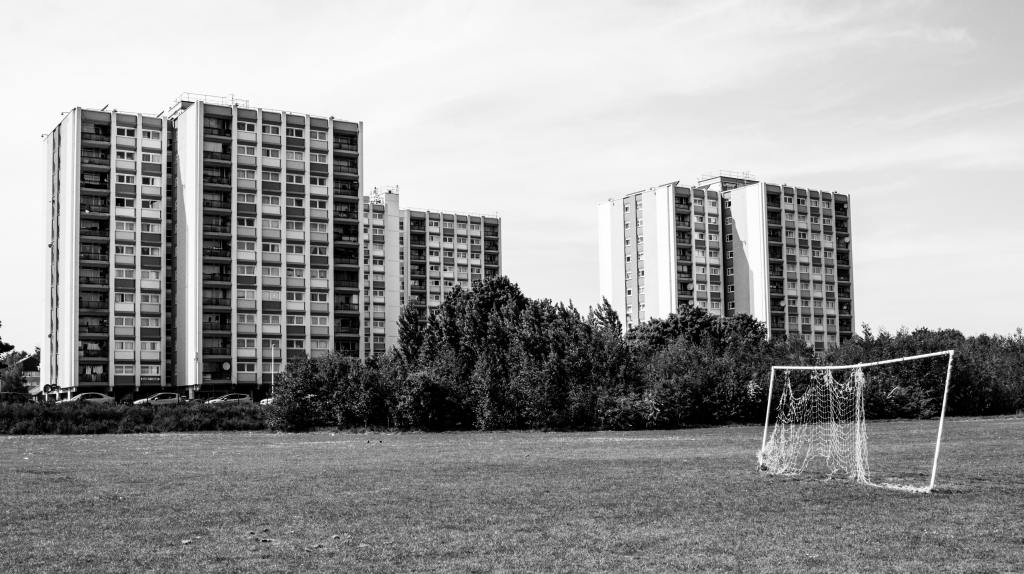
So we found the only thing we could afford, in a tower block on a housing estate, and bought it. We were always really frugal, and had been saving since we got together, saving £10,000. The flat was on the eighth floor though, meaning it wasn’t possible to get a mortgage. Here’s the privilege: my partner’s parents lent us the rest of the money. We set up a repayment plan in line with current mortgage rates, and continued to be frugal, doing a lot of work ourselves and taking in a lodger in the second bedroom though we didn’t pay off much extra on the loan.
When we split up four years later, we had the flat valued at £110,000. Based on splitting the equity 50:50, I got £30,000. I put this in a savings account and went off to pursue my humanitarian career overseas.
House 2: bought for £170,000, sold for £270,000
So by this point I am 30, and have a baby. I have a confused marriage where he is overseas (and not contributing anything financially or emotionally) and things are rocky. I am back in my hometown and the cost of living seems to be crazy. For the first time, I am fully responsible for another human being and realise I have no idea what I’m doing.
So I decide to buy a house and settle down. I still have an income that counts for a mortgage, even though it’s from a charity based overseas. And since I was living in South Sudan / Uganda / Rwanda for the past four years I have also added to my savings pot so with the equity from my first home I have a £70,000 deposit.

The luck here is that it is 2009. House prices dropped by 16% in 2008 and I looked at a lot of repossessions which seemed heart-breaking. I wanted to stay on the same housing estate, but also realised pretty quickly that I couldn’t afford to live in another part of town. So I was looking at the lower end of the price range for a house. And my goodness I saw some unloved, filthy heaps.
Eventually I found a four bed house in a quiet cul-de-sac (important on a house estate with a reputation for joy riders) and put in an offer. Then I found that the flipside to 2008 was that banks were not keen to lend money to single people with precarious incomes. Around the same time my lovely granny passed away and left my family an inheritance (likely the only one we will ever get since we are not that kind of family). The bank will still not lend me the money. So again with the privilege – my mum and siblings club together their inheritances and lend me the other £100,000.
It’s hard to overestimate how much work needed doing: it had no heating at all, asbestos in the roof, single glazing, an extension which hadn’t been approved and had to be formalised by building standards, a kitchen where there were actual human turds in the cupboards. Safe to say I called in a lot of favours over the years, and did a lot on credit.
I had another two years overseas with my work, and rented the place out. Since I wasn’t entitled to a pension in that job (long story – I keep planning a series of posts entitled ‘mistakes I made with pensions, and why it’s a massive headache’ so do come back for more) I focused on the house as my main asset and worked on paying off my family. In 2014 I came back, thinking I would stay in the UK, and realised that now my son was older I didn’t want to stay on our housing estate. So I sold the house for £270,000, repayed my family loans, and had £140,000 to use as a deposit.
Phew. I think I would have made it without the family help as banks unclenched and my income settled, but it might have taken a lot longer. And living in a city where house prices have gone up 300% in 20 years, every year counts.
House 3: Bought for £352,000. Currently worth £400,000
This is my sensible house, and ironically we have only ever lived in it for six months. I bought really planning to stay in the UK, but then with work and other issues (not least pension obsession which kicked in at 35) I took another overseas job with the kids and we moved to west Africa. I rented the house out, and, given that accommodation was provided in my new job, I put a lot of extra money toward the mortgage. I took out a mortgage of £152,000 and currently owe just £50,000 – that means I have paid off £100,000 in five years. I aim to have it completely paid off by the time we leave Denmark.
So there we go. A rollercoaster ride which would not have been possible without the support of family, an early start, a high savings rate and a risk-taking approach. I wanted to just put some honesty out there about how this all happened for me – however hard I work and save (and I do work and save very hard) without that additional help, things would at the very least have taken a lot longer.
So – whats your housing story? And how can we think about collectively helping one another for those people in our situation who don’t have family support? I’d love to hear from you!


 Brilliant Ladies' Handbag Club