So I bought a new rental 2

This should really be entitled “so I finally rented out my new rental” but hurray! It is done. I have been talking about moving on my rental journey since I started this blog, and my last post which was almost three months ago (sorry dear readers, long story which I might come back to) set out the decision making and purchase of that property.

I wanted to talk a little bit about the financial side of it here. I paid £230,000 for the property. In my home town, that amount would barely even buy you a garage, but further north in the UK it really does buy you more. I’ve written extensively about choosing to sell my rental in my home town but maintain a rental in the UK so I won’t go back over it here, but it was a decision that took a long time – and realistically I still have doubts about. But it’s done, so on we go!

I also bought the property free and clear, so it has no mortgage on it. I saved this money essentially in equity from my previous house, which I had laser-focused paying off over the last five years. Whilst I hadn’t fully paid it off, issues with rising mortgage rates and my challenges of spending so much time overseas meant that the mortgage cost of it was starting to really increase. There were costs associated with the purchase and legal elements but because it was such a relatively cheap property, these were significantly (and disproportionately) lower than my last house. A big element is that the stamp duty threshold in the UK – basically a tax on a house purchase – doesn’t kick in until a property is worth more than £250,000, meaning I didn’t have to fork out the £7,000 additional amount that I did last time. The house is a new build and is on a company managed estate. This means there is a monthly fee (of about £60, payable by the tenant) but there was additional set of costs for the purchase based on legal assessment and sign up to the management company. In total this all came to £2,636.

Legal and purchase costs
Standard legal and purchase fees £       1,968
Legal and purchase fees relating to estate management £           668
  £ 2,636

In addition to the standard costs, it took three months to rent out, following about six months of the purchase process since I struggled to find what I wanted, and it took some time for the process to go through. This period has a financial implication as well. In addition there are a few costs needed to get the house tenant-ready, and between these I paid out an additional £1,233.

Pre-tenant and compliance costs
Compliance maintenance (electrical check, smoke alarms etc) £           300
Payment of 3 months estate management fees £           178
Payment of council tax £           354
Landlord insurance (one year) £           401
Total £       1,233

So at this point in time, I have £230,000 of my capital tied up in real estate. In addition, buying and preparing the property for rental required an outlay of £3,869 or about an additional 1.7% on top of the purchase price. As noted, this is unique to a low cost house, as these costs disproportionately increase with homes in higher price brackets.

And now it’s rented out! The rent is set at £850 per month, which is quite a bit less than the UK average of £1000 (excluding Greater London) but that’s based on the location. Minus the letting agent fee which I need as a) I don’t live near the property and b) I am utterly useless at household maintenance, of 10%, I will make an initial net of £765, from which I will need to pay any additional maintenance or upkeep, as well as continued landlord insurance for which I will keep back 10% of the net, or about £1,000 per year. So with a projected profit of about £8,000 per year, I will not be retiring fully on my rental empire. But it works – to stay invested in the real estate market; have some money which isn’t at the whim of the stock market; to have a second option for my family in case the s**t hits the fan; and to have a regular stream of income. And I am glad it’s set up so I can leave it to tick along whilst I focus on other things!
We bought a $1m house!

I wrote recently about buying a house as a single parent (TL:DR – it’s really, really hard) but this week I want to share the exciting news that we are about to move in to our new home. and for lots of reasons, it’s a home worth $1 million. [note – I usually share my figures in £ but it sounds better in dollars so I am doing it, just this once].

Side note: I was talking to a married friend about this and she said ‘but why do you keep saying WE bought a house? I mean, you’re doing it alone’. In mentally wrestling with this I can’t decide if it makes me feel annoyed since my family unit counts as a ‘we’ since it isn’t a pronoun that couples somehow own. Or perhaps she meant it in a kindly way to recognise the challenges. Either way, it’s the kind of comment which wastes my mental space so I share it with you here in the hope that I can then forget about it. In case it stays confusing, ‘we’ in our case means myself and my children. Plus I promised that we can get a cat, so the moggy counts too.

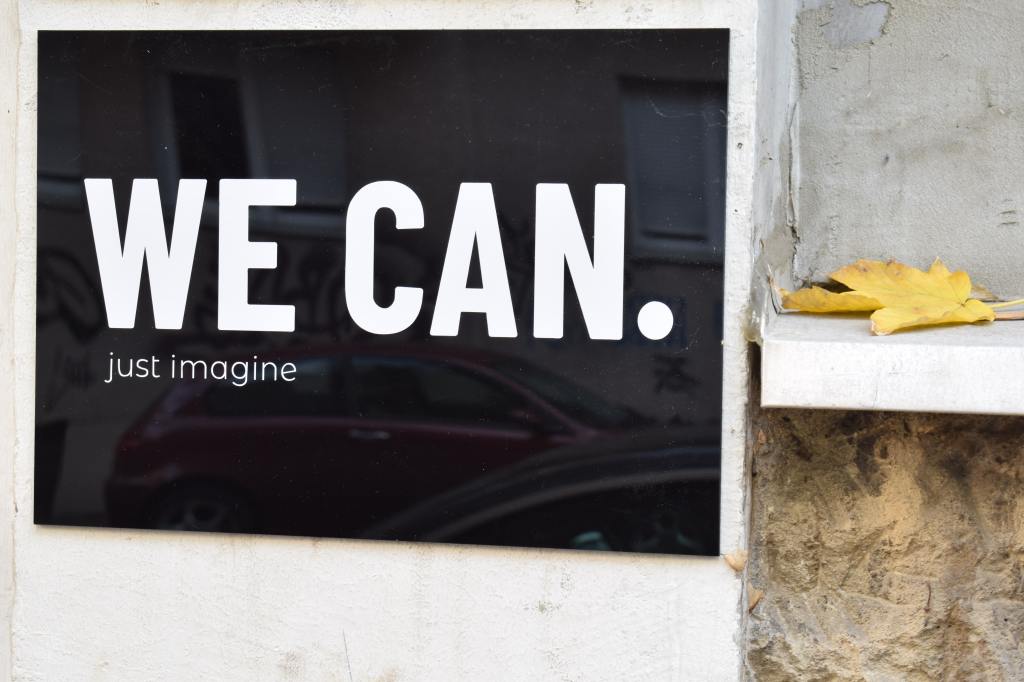
Yes WE can 😉 Photo by Marija Zaric on Unsplash

So, we bought a house! I wrote back in November about planning to do this, a post which built on three months of decision making since our landlord told us that – like many people during COVID – had decided that they wanted to move back home. It has been a long long process since then, and it has meant putting other financial goals on the backburner. Plus actually it has been stressful and knackering, but since we had to move out anyway some of this was unavoidable.

I shared this before but if you are really interested in the nuts and bolts of buying a house in Denmark you need this fantastic and very detailed guide, but below are the steps that I took as a British expat:

1. Had a browse of the market. This was the point when I realised what kind of price band we were looking at. We wanted a house with a garden, in the suburbs, with four bedrooms and some separated space (i.e. not a single storey) so that there is room to have childcare support who can stay over, and within walking distance to the train which will take us to work and school. Unfortunately this is what pretty much everyone else is looking for especially post-COVID, driving up the speed of the market and house prices. But this was a useful step as it showed me the kind of thing that was available and the amount of mortgage I would need to make it work.

2. Looked for a mortgage. In Denmark, there aren’t really mortgage brokers which means you have to do all the legwork yourself. In the end I used a broker who specialises in working with expats since, not surprisingly, all the paperwork including the surveys are all in Danish. The first calls I made to banks showed that I was eligible for a mortgage but as an expat I would need a 20% deposit – or to find, up front, about £155,000. It is testament to how much I wanted to get out of paying our extortionate rent that I looked into remortgaging my UK home in order to find this deposit. I couldn’t make this work (for lots of reasons though I did find one broker who would do it, it came with conditions I didn’t want to accept) so I went to the Danish broker. They found me a mortgage with a 10% deposit (where the bank provides the 80% mortgage still but then also grants a 10% loan). In the end this was a saving grace since it made me stick to a lower overall budget. And let’s be frank, that was still a budget of $1m which makes me twitch just a little every time I think about it.

In case I didn’t mention it enough 😉

3. Made some hard financial decisions. The 10% requirement means that I had to find £80,000 for the deposit. I was able to do this by pulling various savings and investments. I took out almost my whole £40,000 emergency fund leaving just £3,000. I also pulled money from investments – with stocks and shares ISA there’s no fees or penalties to take money out, but I withdrew a lot and left £12,000. I really reflected for a long time on whether this was a good idea, since it took a lot to build up those pots of money, but looking at the balance of risk I think that we stand to be better off in the long run unless a black swan event turns up. And we might have had enough of those for a while….

4. Looked for a house. Oh. My. Goodness. this was the painful bit. Being a) on a tight budget (for Copenhagen) and b) quite detail oriented, I ended up looking at 40 houses. I made offers on two, both of which were rejected – one where someone else beat us to it, and one where the survey showed it needed a new roof and the owners wouldn’t accept a lower offer based on the money needed to do that. But, after spending every weekend for months looking at houses, we finally found a house that fits the bill. Hurray!

5. Did all the paperwork and processes. This is pretty easy in Denmark thankfully – the bank also has amazing processes where they organise paying over the mortgage at the right moments which also removes the possibility of getting scammed which scared me witless when buying my UK home. You have to have home insurance in place, and a kind of insurance which protects everyone in case there is something that the house survey has missed.

6. Made my peace with the compromises. So I am not quite there with this one, but it’s coming. We had to move further out than I would have wanted, and to a slightly different part of town to where we are now (and where our friends are). We are at the top end of my ‘distance from train’ condition, ditto ‘size of garden’. But I am hopeful that once we settle in and stop comparing to where we are now, I’ll forget about these things and enjoy our new home in peace.

Getting ready for this… Photo by Markus Spiske on Unsplash

So there we go. I post on Sundays, and this time next week (all being well) we will have the new house and be sorting it out – the weekend after we will be all moved in. Wish us luck!