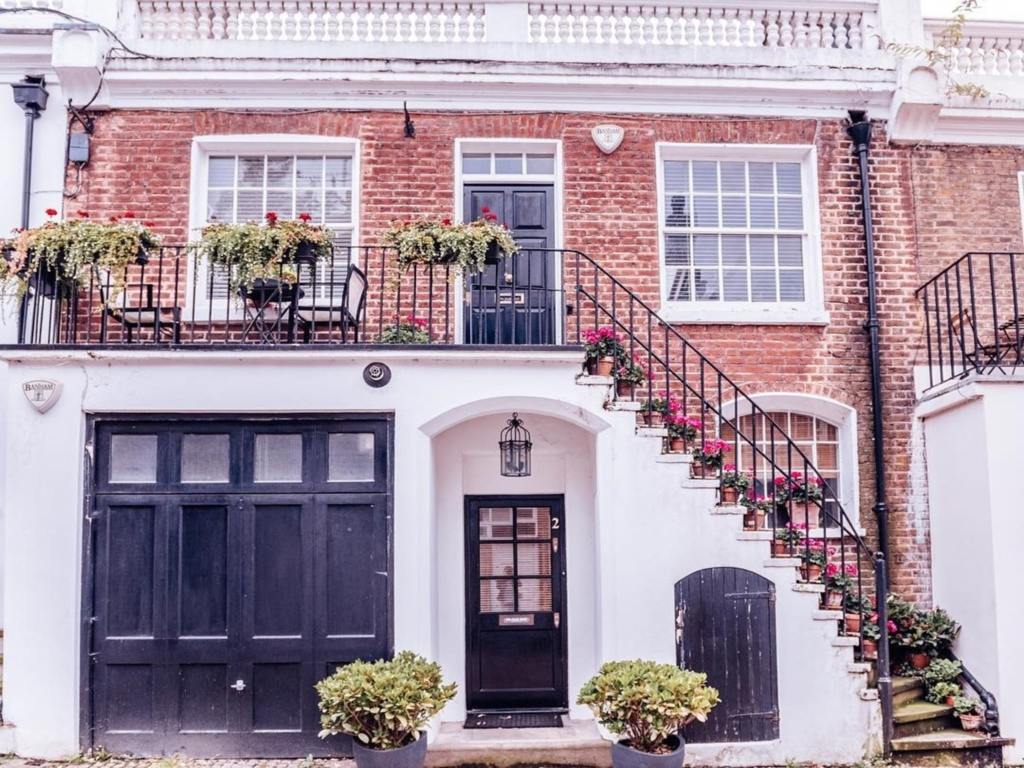
So I bought a new rental 2

This should really be entitled “so I finally rented out my new rental” but hurray! It is done. I have been talking about moving on my rental journey since I started this blog, and my last post which was almost three months ago (sorry dear readers, long story which I might come back to) set out the decision making and purchase of that property.

I wanted to talk a little bit about the financial side of it here. I paid £230,000 for the property. In my home town, that amount would barely even buy you a garage, but further north in the UK it really does buy you more. I’ve written extensively about choosing to sell my rental in my home town but maintain a rental in the UK so I won’t go back over it here, but it was a decision that took a long time – and realistically I still have doubts about. But it’s done, so on we go!

I also bought the property free and clear, so it has no mortgage on it. I saved this money essentially in equity from my previous house, which I had laser-focused paying off over the last five years. Whilst I hadn’t fully paid it off, issues with rising mortgage rates and my challenges of spending so much time overseas meant that the mortgage cost of it was starting to really increase. There were costs associated with the purchase and legal elements but because it was such a relatively cheap property, these were significantly (and disproportionately) lower than my last house. A big element is that the stamp duty threshold in the UK – basically a tax on a house purchase – doesn’t kick in until a property is worth more than £250,000, meaning I didn’t have to fork out the £7,000 additional amount that I did last time. The house is a new build and is on a company managed estate. This means there is a monthly fee (of about £60, payable by the tenant) but there was additional set of costs for the purchase based on legal assessment and sign up to the management company. In total this all came to £2,636.

Legal and purchase costs
Standard legal and purchase fees £       1,968
Legal and purchase fees relating to estate management £           668
  £ 2,636

In addition to the standard costs, it took three months to rent out, following about six months of the purchase process since I struggled to find what I wanted, and it took some time for the process to go through. This period has a financial implication as well. In addition there are a few costs needed to get the house tenant-ready, and between these I paid out an additional £1,233.

Pre-tenant and compliance costs
Compliance maintenance (electrical check, smoke alarms etc) £           300
Payment of 3 months estate management fees £           178
Payment of council tax £           354
Landlord insurance (one year) £           401
Total £       1,233

So at this point in time, I have £230,000 of my capital tied up in real estate. In addition, buying and preparing the property for rental required an outlay of £3,869 or about an additional 1.7% on top of the purchase price. As noted, this is unique to a low cost house, as these costs disproportionately increase with homes in higher price brackets.

And now it’s rented out! The rent is set at £850 per month, which is quite a bit less than the UK average of £1000 (excluding Greater London) but that’s based on the location. Minus the letting agent fee which I need as a) I don’t live near the property and b) I am utterly useless at household maintenance, of 10%, I will make an initial net of £765, from which I will need to pay any additional maintenance or upkeep, as well as continued landlord insurance for which I will keep back 10% of the net, or about £1,000 per year. So with a projected profit of about £8,000 per year, I will not be retiring fully on my rental empire. But it works – to stay invested in the real estate market; have some money which isn’t at the whim of the stock market; to have a second option for my family in case the s**t hits the fan; and to have a regular stream of income. And I am glad it’s set up so I can leave it to tick along whilst I focus on other things!
So I sold my rental: Part 2

Don’t forget to come and join me for daily inspiration on financial independence, budgeting, wealth, and all manner of other nonsense over on Instagram!

Last week I wrote about selling my rental. I wanted to reflect a little on the financial side of how that went.

I bought my property in my home town in early 2016, intending to live in it. It was a tricky time with the market, and we moved further out that our previous home. Since I was on a budget, I looked at 42 properties and eventually chose the one we had nicknamed ‘the ugly house’.

A friend gave me some great advice at the time. He reminded me that I wasn’t looking for my forever home: that I needed something that would work for at least five years until my son reached secondary school age when maybe we would have different needs. It needed to be cloe to public transport, have some outdoor space, and some flexible living space for when my parents visit etc. And it had to have rental potential based on how my job works and how things might pan out in future years.

And it turned out that rental potential was needed much before imagined. I was offered a job almost straight away, and moved six months after buying the house. So naturally I rented it out.

All in all, it was rented for six years. There were about six months of ‘void’ (without tenants) and I had three different sets of tenants in that time.

During that period, the house went up in value by £96,000. So even if I hadn’t rented it out or made any improvements, I would have made a profit.

So how did the financing work out?

Below I set out a) the costs which are due to buying a house. These include sale and purchase costs, the mortgage, and insurances. Whilst the types of insurance are different, it probably works out about the same. Then b) costs unique to having a rental. Whilst some of these are maintenance costs, having to contract these out (or indeed do them when I would happily live with e.g. not redecorating for a while) I add them all in here as relating to the rental.

Purchase fees (solicitor, survey, stamp duty etc) £         8,544
Sale fees (solicitor, survey, stamp duty etc) £         9,360
Mortgage insurance £         1,440
Other insurance (landlord, boiler etc) £         4,200
Mortgage £      64,440
Total costs regardless of tenanting £      87,984
Letting agent fees £      11,448
Maintenance, decoration etc £      12,000
 Costs specific to renting the property  £      23,448
Tenant income £      93,600
  
Total costs £    111,432
Total costs in spite of tenant income £      17,832

So overall, I didn’t break even. Since this was bought as a family home and perhaps wasn’t the best in terms of rental options, I can live with this. But it is nothing like the predominantly American mantra of real estate as a way to make millions. Since it was rented out, I also had to pay capital gains tax on the increased value, which cost an additional £23,000, taking the total rental specific costs to £46,448.

On the flip side, having tenants essentially paid my mortgage which is a huge deal. So that was £64,400 which I didn’t need to make as income.

So it worked out pretty well in the end. I made the decision to overpay my mortgage, so was able to sell the rental and come out with a decent chunk of money clear, a lot of which is profit from the shifting market. And now I get to decide what to do with it!

So I sold my rental: part 1

Welcome to this blog post – if you’re new, do have a poke about the other posts, and if you’re an old friend, thanks for sticking with me. Also do come join us over on Instagram for frugal food and adventure ideas, reflections from the Barbies (those girls don’t play), and some inspiration.

So, I was banging on mysteriously in my financial review of 2022 about some major changes in my portfolio, and the biggest one is that I have sold my rental property in the UK. This was something under consideration for a long time – indeed, it’s a year ago that I made the first call to an estate agent to get a valuation. During my portfolio valuation in March 2022, I realised that 60% of my net worth is in property. Since around 30% was in pensions, it meant that there was very little liquidity.

Whilst I don’t need a ton of liquid cash, I am at a point where I need more flexibility. That might mean having more accessible money for investing in a side hustle, or a smaller property in Kenya as I plan my transition there. So it doesn’t mean putting it all under the bed in a cardboard box but it also doesn’t mean hosting so much of my net worth in one property.

I write about housing and home ownership a lot, especially recognising the tensions where structural inequalities impact people’s ability to own a home and how this affects generational wealth. I also recognise that the UK rental market is an absolute catastrophe, with rising rents and rising uncertainties holding back a huge number of people from fulfilling their potential. It isn’t just about whether people can buy a home of their own: spending huge amounts on rent means that it’s harder to save for a future, and lack of stability in the market is impacting the sense of living in ‘permacrisis‘ which is impacting mental health for so many.

All of which are critical conversations. But this post is just about the decision to sell my rental property, and how it is working out so far.

One of the main challenges with having such a heavy lean towards net worth invested in property, is the level of risk. Whilst owning a house to live comes with a certain amount of risk, it is very different to owning property as an investment. If my house that I live in goes down in value, all the other houses locally will likely go down in value too meaning that I haven’t lost out substantively: the market has changed for all. Plus if I want to live in that house, as long as I can pay the mortgage (hello rising inflation), it balances out.

With the uncertainties in the housing market in the UK, I felt that the risk was too great and that I would be stuck with the house forever. I had bought the house planning to live in it with my kids, but then I got a job overseas and now I really don’t see us moving back any time soon. Whilst it was a good house for us when my children were smaller, I had planned for it to be a ‘five year home’ and we are past that point – even if we wanted to move back, the size and layout of the house, and proximity to a decent secondary school, means it doesn’t work for this season in our lives.

Whilst the rental income was covering costs, it wasn’t enough to make the locking up of all other assets worth it. In fact, choosing to rent out a house that I had bought as a family home only made sense when I was thinking we might move back to it. Many FIRE podcasts talk about this – basically, what you look for in a rental property and a home for yourself are different. Which is not rocket science, but good to remember.

Paula Pant has some useful guides to working out whether a rental property is worth it. You can have a read for yourself to get into the complexities of it, but my property fails at the first hurdle. Paula’s ‘one percent rule’ recommends that you only consider a property where the rent equals one percent of the purchase price. So if you have a house like mine where the acquisition price was £360,000 it should rent for £3,600 per month. Whilst the rental markets in the UK and US are totally different, by the time of the sale (noting that the value had increased, and I had frozen rents at the same amount since 2016), rent for my property equaled less than 0.25% of the market value.

So I decided to sell. I wanted to treat my tenants well, and gave them six months notice that I would not be renewing their tenancy in September. I agreed a price and put the house on the market. Since things are so strange at the moment, I had no offers for some time, then an over asking price offer which I accepted immediately. There was a lot of negotiation trying to get things done as quickly as possible on their side so they could be in for Christmas, and my recognising that just after my dad passed away, I was really not capable of dealing with very much. So, with help from the estate agents, we muddled through and completed on the sale 10 days before Christmas.

And that’s it! It feels like a long post but it was a decision which took so much thought, and one where a lot of the thinking was basically crystal-balling in terms of what would happen with housing market, mortgage rates and so on. And in the end, I had to make a decision based on the information that I had at the time, and what season of life I am in right now. I am finalising the financial assessment of how it went and will share in a future post (including all the joy of Capital Gains Tax woohoo) but for now, I am excited about what’s next for that money, and hoping the new owners had a great Christmas in their new home.