Frugal (um…) summer holidays. Part 1: the spendy bit

What a funny old year. The kids had a bit more than half a term at school, since COVID-19 related school closures arrived in Denmark on 12th March. The February half term had been the first holiday we really took since we moved here last summer, and I was so exhausted from work and work-travel that we spent it in Lalandia – a Danish holiday resort with cabins, a water park and plenty of stuff to do regardless of the weather. Then months of home schooling including lockdown Easter holidays, and a return to school for four weeks up to the start of the school holidays in the first week of June.
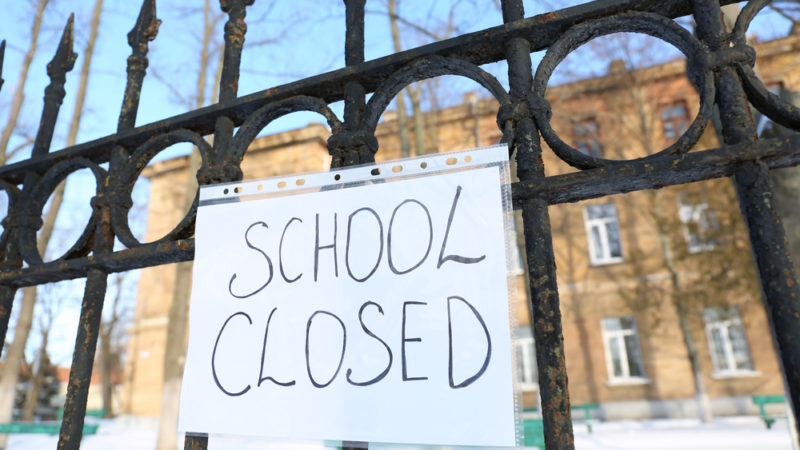
Image Credit: CLOSED goshdarnit.

All of this means that I feel like we have been at home *forever*. Don’t get me wrong, I love home – and we rent a lovely big house with plenty of room and a garden, partly chosen because I’d never lived in Scandinavia before and figured we’d spend all our time indoors – so it’s not exactly a punishment. But, like most families, we are used to a lot of external activity, and as an expat single parent, travel and holidays together are how we stay connected with family and friends. Usually in the summer we travel back to the UK, and my children stay with my parents for a few weeks. With my dad’s health issues, this was out of the question sadly. Missing my parents, and missing out on grandparent time, has been so hard these past few months.

So – what have we been up to? And, now we’re about half way through, how frugal was it? This post if about the ‘spendy’ parts of the summer (getting all the guilt out of my system). The next post will be about all the lovely free things we did 🙂

Going on a local holiday

We did go on holiday. I booked two ‘five day weekend’ breaks, one to Bornholm straight after school closed, and another which is coming up at the end of July, about two weeks before school reopens.

Bornholm is a Danish island which was totally magical, and well worth it. It’s sort of like Cornwall in the 1950s, with lots of different beaches and a safe family vibe. We drove, taking plenty of board games and other rainy-day amusements, and took the ferry. The holiday cost £1,100 which included travel, bed and breakfast, and an activity every day – we tried stand up paddle boarding, kayaking and rock climbing, and fell into bed absolutely knackered at the end of every day. It was wonderful but Denmark is expensive and I haven’t got my frugal hacks in place yet: for comparison, aside from the flights, the cost was the same as we spent for a similar package to Bali last year. But it felt very much like time and money well spent.

The holiday booked for the end of July was £700, and also includes activities, a water park and access to a spa (hallelujah!). So, total upfront holiday cost = £1,800. I will add all the incidentals (meals, spending, etc) together when I do the July budgets.

Holiday Clubs

Since I am still working full time, some of the weeks are spent in holiday clubs. There are quite a few for my son since he’s older and loves sport. Football club is £110 per week, and a spendier sea sports club was £150. So that was three weeks covered. For my daughter, there was much less choice and I put her in the school club. This was £735 for two weeks, which feels outrageous. She loved the club, but the activities were nothing I couldn’t have done with her and a friend or two at home (if I wasn’t working…). So it doesn’t quite feel like money well-spent. Plus £160 for a week of trampoline club.
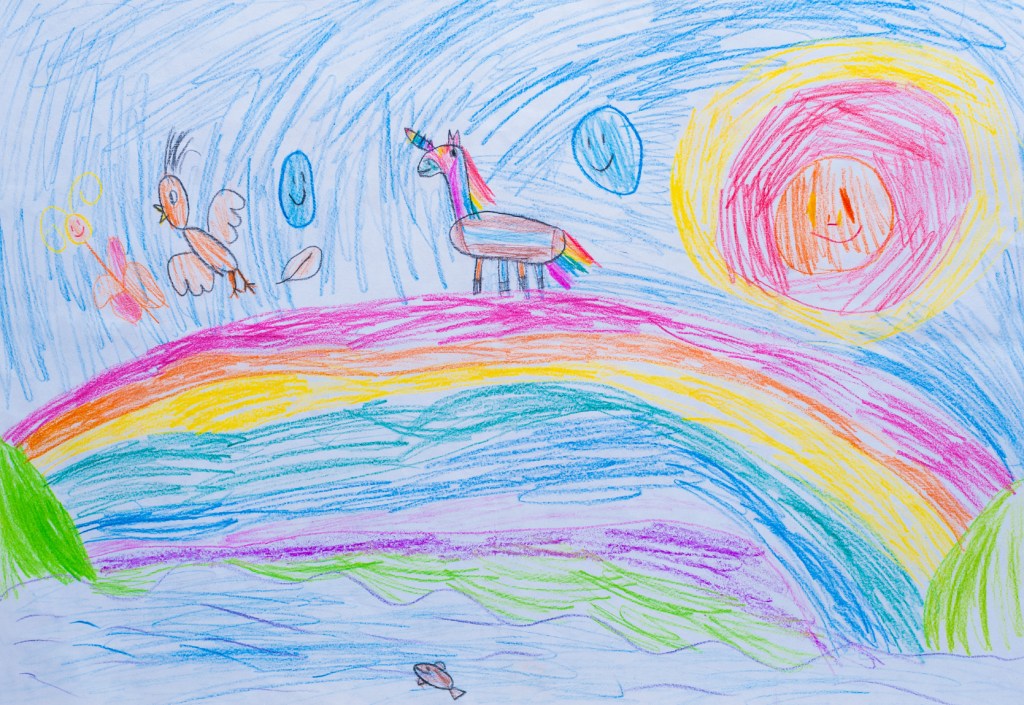
Image credit: holiday club artwork.

So, £1,265 on holiday clubs. If I am honest, I looked down the barrel of eight weeks of summer holidays on top of the lockdown, and freaked out. We still have the usual childcare costs of £800 which cover wrap-around hours, the costs of looking after one child when the other is in club etc so all in all, it was a lot – £2,265 to be precise, over the whole period. But holiday childcare IS expensive, and for single parents, where there isn’t an option to tag-team annual leave (or indeed have one parent with a term-time job), it’s even starker. The 2019 results of an annual UK survey about the cost of childcare in the summer found that parents pay an average of £138 per week per child. For my two, this summer would equate to £2,208, or pretty much where I came in.

Frugal success?

Not really. That’s £4,065 on unusual spending, and I will have carried on with a larger groceries bill etc. Interestingly, it made me reflect a lot on why I work and what I want out of life. That is a huge amount of money for the summer holidays, and nothing we have done felt extravagant (not like Bali last year!). And I feel like I was paying to be at work, since if I wasn’t working at least the club part wouldn’t have been necessary. I also recognise that I made the choices here: my kids wouldn’t actually have died of boredom by staying home and just meeting up with friends. Maybe it’s guilt money for them having to spend the summer hanging out at home without me. Either way, food for thought.

The next blog post will focus on the frugal wins – there were many of those too!

A dream life: now and then

One of the first questions people ask themselves on the financial independence journey (after ‘where on earth does all my money go??’) is – why? Why would I go against the grain of consumerism, spending, striving? What do I want for my life instead?

Some people like to get crystal clear about their dream life. Dave Sawyer talks about finding what matters to you – he and his wife have a vision of their future selves in Andalusia. And fair play to them.

For me it’s crucial to think of a dream life, now and in the future. I want to spend more time with my kids, but working like crazy to save for ten years means I’ll have time to spend with them when they are in their late teens and probably less keen to hang out with mum. Plenty of FIRE people manage both of course, and with two incomes you can make a whole range of choices: share the childcare or have one parent stay at home for example. Living off one income is naturally promoted as a path to saving money. For the single parent, there is only ever one income. I need to be able to make choices which give us quality of life now, whilst preparing for that imagined future.

In these crazy times where keeping on with saving, looking after the children and generally keeping the wheels on with life, it can be easy to lose sight of the ‘why’. Whilst I am clear about my Big Dream, and about the small steps I need to take this week, the middle bit is hazier. So in the spirit of remembering the way, I wanted to share my dream.

I’ve had the same one for almost 20 years and it still delights me every time I think about it. My plan, with the kids, is to move back to Kenya (I am not from there but spent many happy years – so this is caveated with the need to fulfill the residency requirements which is helped in most countries, including Kenya, by being financially independent). We’ll build or develop a house with a stunning view, acacia trees, the Rift Valley to wake up to. Interesting occasional work (that I can say yes or no to); sundowners on the balcony with fantastic company; friends around a huge dining table. Somewhere stable the kids can always call home. Bliss. And well worth walking this path, especially if I can do it whilst cherishing every day.

So I panicked – just a little. Here’s what I learnt

Sigh. So it’s been a month since my last post since I needed a little time to adjust to the new normal. Homeschooling my two kids whilst working full time from home (and since my job is in the field of humanitarian response, my day job has become way more hectic) is exhausting: add to that worrying about elderly parents in another country and just trying to keep the wheels on our daily life and I didn’t have much energy to spare.

After my last post, I spent another week watching my funds crashing, and it felt like my dreams and plans were crashing too. I think being so early on in my journey made this pretty scary – like watching someone lop off branches which are just starting to blossom. I was awake every night for about two weeks obsessing about what to do, and in the end, I sold.

I sold two-thirds of my investment portfolio and put it into a savings account. My savings overall took a huge hit. I know, I know: selling when the market goes down only converts paper losses into real losses. But it was almost worth it to get the decent nightly sleep I needed to face my daily litany of tasks.

So here’s what I learnt:

  1. My risk tolerance looks different to what I thought. The ability to tolerate risk is a huge part of making financial decisions. It turns out that risks feel different when they are really happening compared to how I thought it would feel (uh, duh). The COVID pandemic also meant that I had my first taste of realising risk as an investor when nothing is stable – people’s jobs, my family’s health, the general sense of how close we are to The End Of Days… Risk wasn’t just something that related to my emotions about my investments, but to the sense of stability in the world at large.
  2. My long-term game is stronger than my short and medium term. As well as my stocks and shares ISA (where I pulled money from) I have three pension pots, plus I have been working on kids’ savings. I didn’t touch any of this, or even look at the balances. These feel so long term that the crisis NOW doesn’t affect them in my mental planning.
  3. That does mean I need to work out my investment policy statement. This is a relatively simple document which sets out, why, what, how, for how long, and how you will know your approach is working. I realised that whilst in my mind I was investing for the long term, my mental planning around the ‘what next’ in my life saw me spending that money earlier than makes sense for it to be in funds. Once I understood this disconnect I gave myself permission to pull funds. But setting out a clearer strategy would have given me metrics to work through options rather than just relying on my need to sleep.
  4. Having an emergency fund really, really matters. Before I started investing, I had created an emergency fund. I have this set out to two accounts: my usual bank where I pay my mortgage, bills and whatnot has an attached savings account where I have three months of those expenses. Then I have a separate savings account (so I don’t see it and am not tempted in case I feel the need to slide money around) which has another three months plus additional in case I struggle to cut costs I anticipate would be possible if I lost my job. In total I have four months of take home pay which should cover seven months plus of all our costs. Knowing that money was there is making a huge difference to my emotional well-being. Without it, I might have felt the need to pull all my investments.
  5. It’s my money, and to some extent my decisions are therefore always the right ones. From the point of Kantian moral philosophy (bear with me) I am not a means to the end of a successful financial future: I am an end in myself. Whilst this might sound like the noise of me disappearing up my own jacksie, it is a reminder that I am more than the sum total of my financial decision making. During the obsessing, twisty turny evenings of trying to work out what to do this became super helpful. I had to stop listening to all my favourite podcasts, because they were all screeching about not selling, and I had already done so. Remembering what it’s all about, and who is in charge, for was crucial.

Living life in these hard times with a little bit of grace and forgiveness is more important than ever. As a single mum with lone and total responsibility for my household’s finances, it’s only my permission which is needed and me who has to clear it up if it all goes wrong. So whilst I panicked (a little), I am also proud that I had my emergency fund in order as well. And I learnt a huge amount that I can apply to get financially even stronger moving forward.

An attitude of gratitude – grin and bear (market) it

Just a month ago I was jauntily planning my future, posting about dreams of building on my small but proudly created foundation. Since then the Bear Market and general chaos-fest of COVID-19 has arrived, and my savings have lost almost 25%. I wrote last week about carrying on with good habits: this week we are on lockdown from schools, the office and all public institutions are closed, and the world feels like it holds a number of possible, uncertain and potentially Armageddon-esque, futures.

So, what are we to do? Other than keep on keeping on?

For this week, I am going to concentrate on all the other things. Firstly, counting my blessings. Yes, I am somehow supposed to home-school the kids whilst continuing to work from home full time. But what is also true is that I will get to spend some much-needed time with the children; that we are well resourced (internet, craft supplies, a garden etc) to manage this.

I also recognise how lucky I am to have a job. I spend a lot of time fantasizing about living with more freedom and growing my side hustles, but right now I am just glad to have a job with a great boss who understands my circumstances and can be flexible whilst I juggle working and having the kids at home. And whilst I appreciate you can never rely 100% on employment, right now I am pretty damn glad to be here.

I have been thinking a lot about people who don’t have this security – the small business owners who can’t open during COVID restrictions; the almost 1 million people in the UK who are on zero hours contracts who won’t get paid if the can’t work. Drops in the stock market and a huge rise in financial uncertainty is likely to hit charitable giving and make 2020 bumpier than it is already. One in 50 families in the UK uses a foodbank (with numbers continuing to increase) but if donations significantly slowdown then foodbanks will be unable to cope and help people in need. Already vulnerable populations are likely to be the hardest hit, so as well as counting my blessings, trying to keep the kids calm (and doing something that isn’t watching TV or shrieking) I’ve donated to Age UK.

Stay healthy and happy, people!

Perchance to dream…

Sometimes the daily grind of being a full-time working single mum can mean that I can feel that I don’t deserve to dream big – I can barely make it to bedtime without letting something drop. And when I read financial independence blogs about ‘living on one partner’s salary whilst saving the other’, it seems so unlikely that it’s a path for me. But this blog is born out of hope, and out of the belief that if I can have got this far, then frankly anything is possible.

So – what is the dream?

If my year of avid podcast listening to the FIRE (Financial Independence Retire Early) crew (more on the background and where to find inspiration – and, let’s be honest, advice about how to do things properly, later) I found two key starting questions:

Why do you want this? What’s your goal?

Yesterday, the fact that my day in the office was rough enough to take the skin off my nose, was enough for me to want to have F-You money. As J L Collins notes in that article, “I may not have known what it was called, but I knew what it was and why it is important.  There are many things money can buy, but the most valuable of all is freedom.  Freedom to do what you want and work for whom you respect”. F-You money means the freedom to make choices; to take time out before burnout, to spend time with my kids when they need me, to pursue other projects. It means taking a job because I want to, not because I have to in order to get the bills paid.

Right now, I can’t see a way on one income to become totally FI. I don’t know if that’s just me being a weenie, or if there is some rational logic in there. But I know that working toward having enough financial security to make different work choices would transform my life, and in working toward that – taking control of my money and making it work for me – is a great place to start. And a place which makes me feel less like a rabbit-in-the-headlights who has to do all or nothing.

How do you think you’ll get there? The five year plan

My five year plan feels ludicrously ambitious (though when I look at FIRE extremers it looks more like someone saying ‘I’m saving up my 20 pence pieces in a jar!’ and blogging about it). A lot of these goals are based on a long back-story which will come in other posts, but for now I want to put these out there. By July 2024 I intend to:

Be mortgage free. I have been overpaying for a while and have £78,120 left. I will also be debating (at length, probably) the reasons to overpay a mortgage rather than invest given low interest rates – and how this relates to my risk tolerance as a single parent.

Have enough in pension funds to bring in £12,000 per year. I paid in two year’s pension contributions at 23-24, then nothings for 12 more years. Partly this was due to free-lancing/taking time off to have kids/being broke, but I could kick myself. More on the detail of this to come, but the figure is based on the small defined benefit pensions I have and pension calculations rather than a ‘sum in the bank’.

Have £120,000 in low cost index funds. This is the combination of my current savings nest-egg – £40,000 – plus maxing out the £20,000 tax free stocks and shares ISA contribution per year.

Achieving these goals means saving about 40% of my income.

So, there are the reasons, and the ambition. Next week, the plan of how to get there.