With all the busyness going on in the world, my blog posts here are a bit less frequent – but I am stlil around, and still thinking all the time about personal finance, and how to make this as useful as possible. Thanks for sticking with me! Come keep me company as well over on the related Insta page, which has a lot more about daily FIRE life choices (mostly food, let’s be honest) and more.
The last few months I have been thinking about the next season of my life, and some of the related choices. My job has a mandatory rotation – basically I have to leave every five years or so and go to a new position in a new country. Aside from this being knackering for me, it has major impacts on my kids’ education. And their educational needs and choices has massive impacts on my options.

When you have kids, this particularly sucks. Trying to move at ‘the right age’, not move during a school year, manage what each childs’ needs are and who to prioritise – and that’s alongside trying to balance what location and role is available at the point where I have to move.
I have been focused up to now on their basic education and making choices around the kind of school and curriculum I want them to go through, funding this since our expat life style and having to move often usually means public schools aren’t an option, and just keeping them happy. For higher education, I have assumed that I will work and cash flow this.
Two major issues have come up which surprised me. Firstly, British children need to live in the UK for three years before univsersity in order to be eligible to pay ‘home fees’. This means I either need to go back to the UK summer 2024 in order for my son to be there long enough – taking a massive hit on income since I’d have to change jobs etc – or be prepared to pay international fees. The difference is significant, with the University of London charging £9,250 for one year undergraduate, compared to £21,500 for an international student. Thankfully accessing student loans seems to be based on citizenship.
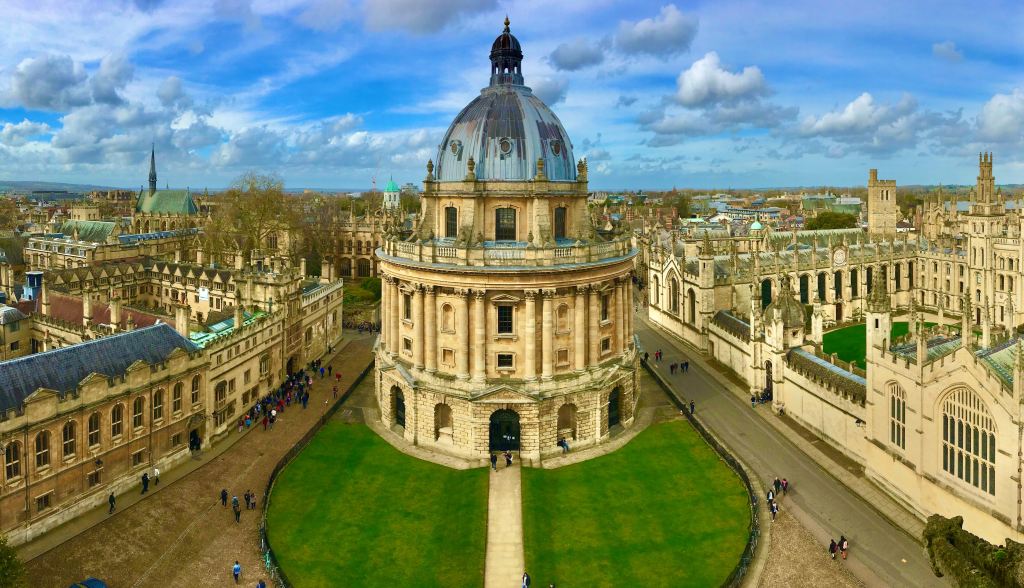
But this has thrown out my calculations quite significantly. The average cost of living as a student in the UK is between £900-1400 per month (London hikes up the prices). So to attend university now as a home student requires around £71,000 for the three years for a home student, or £107,000 for an international. With inflation and assuming we aren’t eligible for home fees, this would be around £120,000 for my son and £130,000 for my daughter. And an additional £250,000 that I need to either save for or be able to cash flow. Ouch.
This week I also found an update from Financial Samurai, who retired at 34. He is returning to work in order to ensure he can pay for college for his two children. There’s a very detailed post here, which also sets out the pros and cons of returning to work. His post also sets out an assumption that he will need to cash flow $1.5m for this purpose: assuming $700,000 for his son in 2036 and $800,000 in 2039 for his daughter. The assumption is based off the current $320,000 price tag of a four-year private university that grows in cost by 5% a year.
Obviously the cost of higher education in the USA is significantly more than in the UK or most of Europe. But there are scholarships and a number of financial aid intruments that the UK doesn’t have in place, since we only introduced tuition fees in 1998, and the support around higher education hasn’t grown with the increasing fees.
But this is all quite depressing. The FIRE community, unspurprisingly, also contains a number of different approaches to college education and the extent to which we should plan to pay for this for our children. Mr Money Mustache doesn’t save for his son’s college, and doesn’t anticipate he will want to enrol.

Others suggest that a solid approach – and one which splits the risk with the children themselves – would be to plan to save one-third, cash-flow one third, and have the student take on loans etc for the remainder. In our case that means saving an additional £80,000 and cash-flowing £13-4,000 per year over six years, and assuming each child comes out with about £40,000 in debt. Luckily my kids’ ages mean they should be in college at different times. And whilst £40,000 seems to me like a massive debt to have at 21, I am not sure that other options we are going to have.
So let’s see. For now it seems that the financial hit I would take on returning to the UK significantly outweighs the increased costs for university education. And I recognise that there are lots of different pathways coming up for training and education, as well as new employment pathways which don’t require a degree. University is unlikely to become obsolete – especially for things like medical degrees – but I expect other, major questions will be coming up as well as we continue this discussion.
 Brilliant Ladies' Handbag Club